

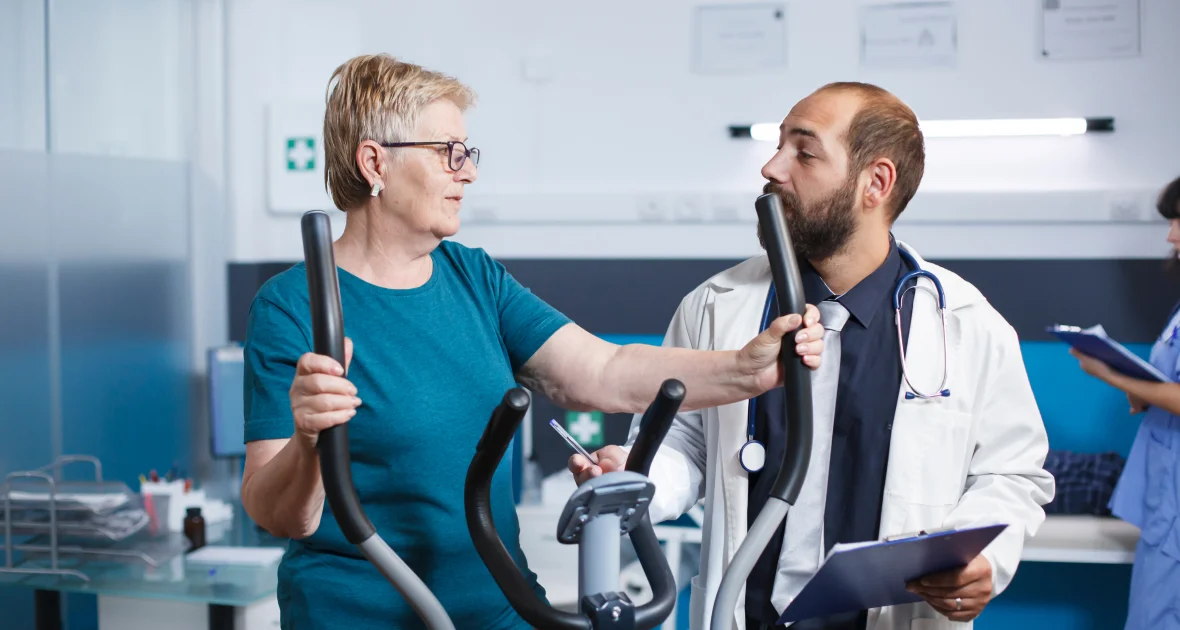
Why Personalized Therapy Plans Matter for Long-Term Recovery
Recovery is rarely identical from one person to the next. Two people can have the same diagnosis yet differ in pain levels, strength, mobility, daily responsibilities, medical history, and the activities they want to return to.
That is why personalized therapy plans matter for long-term recovery. Instead of using the same exercises or treatment sequence for everyone, individualized rehabilitation starts with what a person can do now, what is limiting them, and what meaningful progress looks like in everyday life.
About the 2025 Unsung Heroes List
City & State New York’s inaugural Unsung Heroes list, researched and written in partnership with journalist Lon Cohen, recognizes New Yorkers who are highly effective but operate largely under the radar — from nonprofit leaders to civic organizers and public servants who get things done behind the scenes. Read the full list →
What Is a Personalized Therapy Plan?
A personalized therapy plan is a rehabilitation approach built around an individual evaluation rather than a diagnosis alone. The therapist considers symptoms, movement, strength, balance, endurance, function, lifestyle, and personal goals before deciding how care should progress.
The plan can also change over time. As pain improves, strength returns, or new challenges become noticeable, treatment may be adjusted so that therapy continues to match the person’s current needs instead of following a fixed routine.
Why One-Size-Fits-All Rehabilitation Can Fall Short
A general exercise program may be useful for some people, but recovery often becomes more complex when pain, weakness, surgery, neurologic changes, chronic conditions, or daily activity limitations are involved. An exercise that is appropriate at one stage may be too difficult, too easy, or simply unrelated to another person’s main limitation.
Personalization helps therapy focus on the factors that are actually affecting function. It also gives clinicians a clearer way to progress activities gradually, monitor tolerance, and respond when symptoms or goals change.
How Personalized Plans Support Long-Term Recovery
1. Treatment Starts With the Cause of the Limitation
Pain is not always the only problem that needs attention. Reduced joint mobility, muscle weakness, poor balance, altered movement patterns, fatigue, or difficulty performing daily tasks can all influence how a person feels and functions.
A detailed assessment helps identify which limitations deserve priority. This makes the recovery plan more specific and can prevent therapy from focusing only on the location of pain while overlooking contributing factors.
2. Progress Can Be Built at the Right Pace
Long-term recovery usually requires progression. A person may first need help controlling symptoms and restoring comfortable movement before advancing to strengthening, endurance, balance, or more demanding functional activities.
Personalized therapy plans allow that progression to happen according to the patient’s response. The goal is not to rush through stages, but to build enough capacity for the next step safely and confidently.
3. Therapy Can Reflect Real-Life Goals
For one person, recovery may mean returning to work without pain. For another, it may mean climbing stairs, caring for a child, managing household tasks, exercising again, or walking safely in the community.
Connecting treatment to meaningful activities helps make rehabilitation more practical. It also gives patients and therapists measurable goals that go beyond simply asking whether pain has improved.
The Role of Physical Therapy in a Personalized Recovery Plan
Physical Therapy can address movement restrictions, weakness, balance difficulties, pain, and loss of physical function following injury, illness, surgery, or other limitations. Treatment may include therapeutic exercise, movement retraining, mobility work, balance activities, hands-on techniques, and education depending on the evaluation.
An individualized physical therapy treatment plan can change as strength and mobility improve. Early sessions may focus on comfortable movement and basic control, while later stages may place greater emphasis on endurance, coordination, functional strength, and a safe return to normal activities.
How Occupational Therapy Supports Everyday Independence
Occupational Therapy focuses on the activities people need or want to perform in daily life. This can include dressing, grooming, cooking, writing, shopping, work-related tasks, fine motor activities, and other routines affected by injury, illness, neurologic conditions, or physical limitations.
Because daily responsibilities differ from person to person, occupational therapy is naturally goal-specific. A therapist may break a difficult activity into manageable steps, develop strategies to make it easier, or help rebuild the physical and functional skills needed for greater independence.
Why Pelvic Rehabilitation Also Requires Individualized Care
Pelvic health concerns can vary widely, which makes a personalized approach especially important. The Pelvic Program may support concerns such as pelvic pain, bladder or bowel symptoms, postpartum recovery, core weakness, and pelvic floor coordination difficulties.
Pelvic rehabilitation may involve muscle retraining, breathing and pressure-management strategies, core and hip strengthening, movement education, manual techniques, or bladder and bowel habit education when appropriate. The exact plan depends on the person’s symptoms, evaluation findings, comfort, and goals.
Personalization Matters Beyond the Treatment Room
A strong rehabilitation plan should also prepare patients to manage their progress outside of appointments. Home exercises, movement strategies, activity modifications, and education can help patients understand what to practice and how to respond to normal changes during recovery.
This is an important part of long-term rehabilitation. The aim is not simply to complete a set number of visits, but to develop the strength, skills, awareness, and confidence needed to maintain progress in daily life.
Signs a Therapy Plan May Need to Be Reassessed
Recovery is not always linear. A plan may need to be reviewed if symptoms consistently worsen, progress stalls for an extended period, new functional problems develop, or previously manageable activities become more difficult.
Reassessment does not necessarily mean treatment has failed. It can help identify a new barrier, modify the exercise level, change priorities, or determine whether additional medical evaluation is appropriate.
Questions to Ask About Your Rehabilitation Plan
- What specific problems are we working to improve?
- How will progress be measured?
- What should I expect to change first?
- Which exercises or strategies should I continue at home?
- How will the plan change as I improve?
- What symptoms should prompt me to contact my therapist or healthcare provider?
Long-Term Recovery Is Personal
The most effective rehabilitation plan is not simply the one with the most exercises or the newest techniques. It is the one that responds to the individual: their symptoms, function, goals, progress, and the demands of everyday life.
Whether recovery involves physical mobility, daily independence, or pelvic health, personalized therapy plans create a clearer path from evaluation to meaningful function. If pain, weakness, movement limitations, or difficulty with everyday activities are affecting your routine, a professional evaluation can help clarify what type of rehabilitation support may be appropriate.