


About Active Occupational Therapy
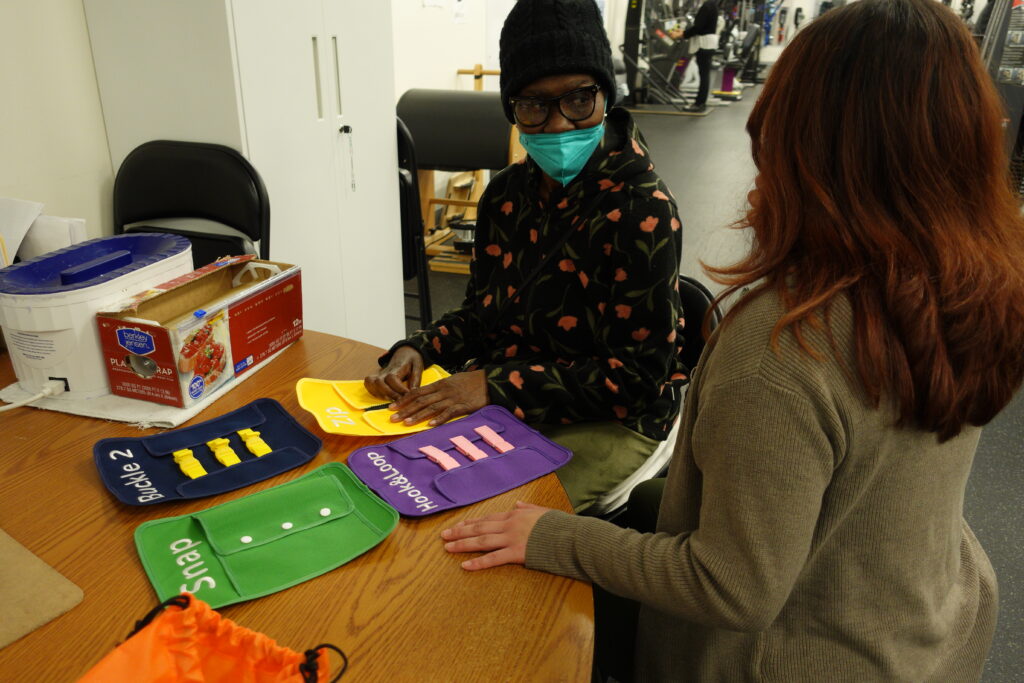
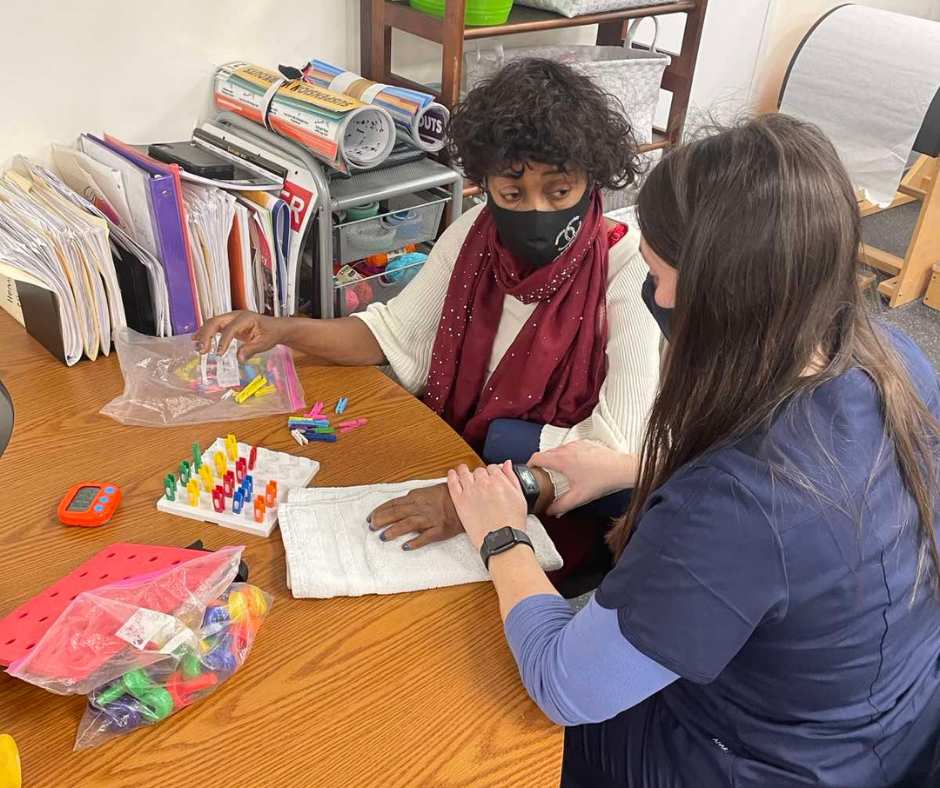
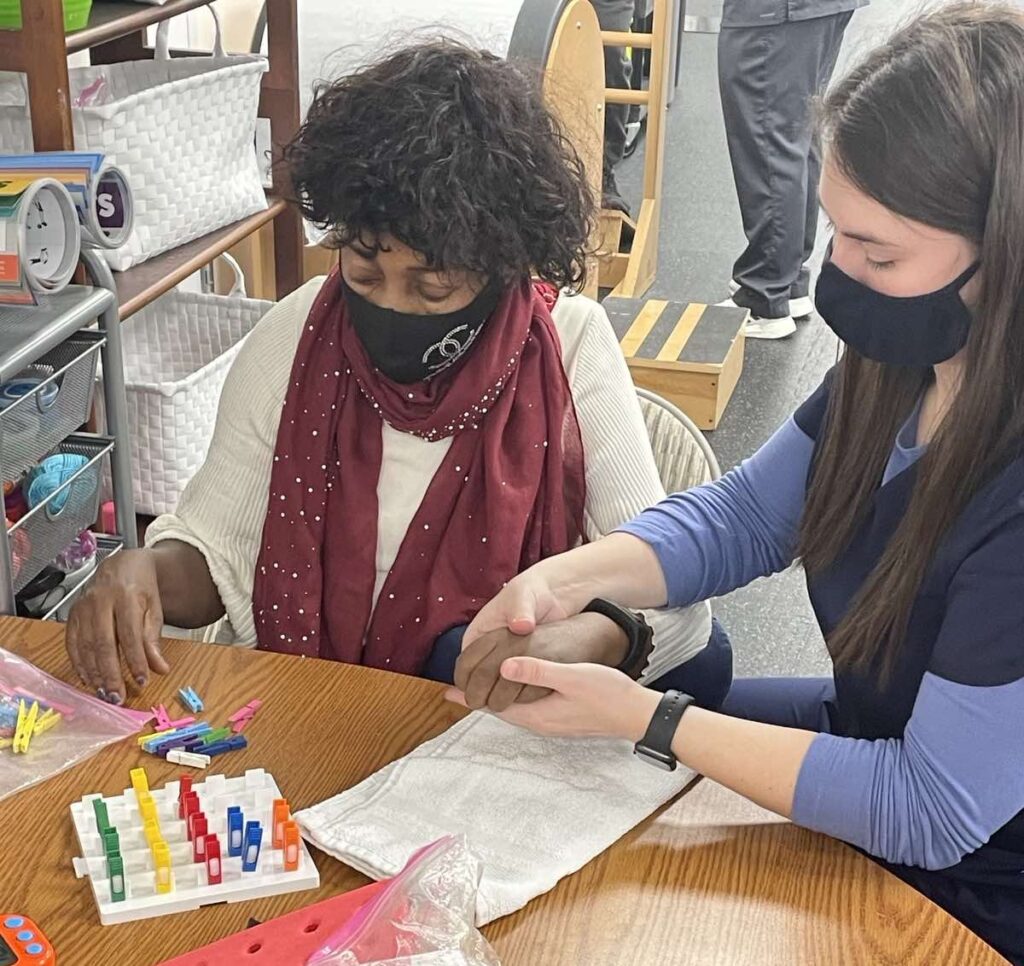
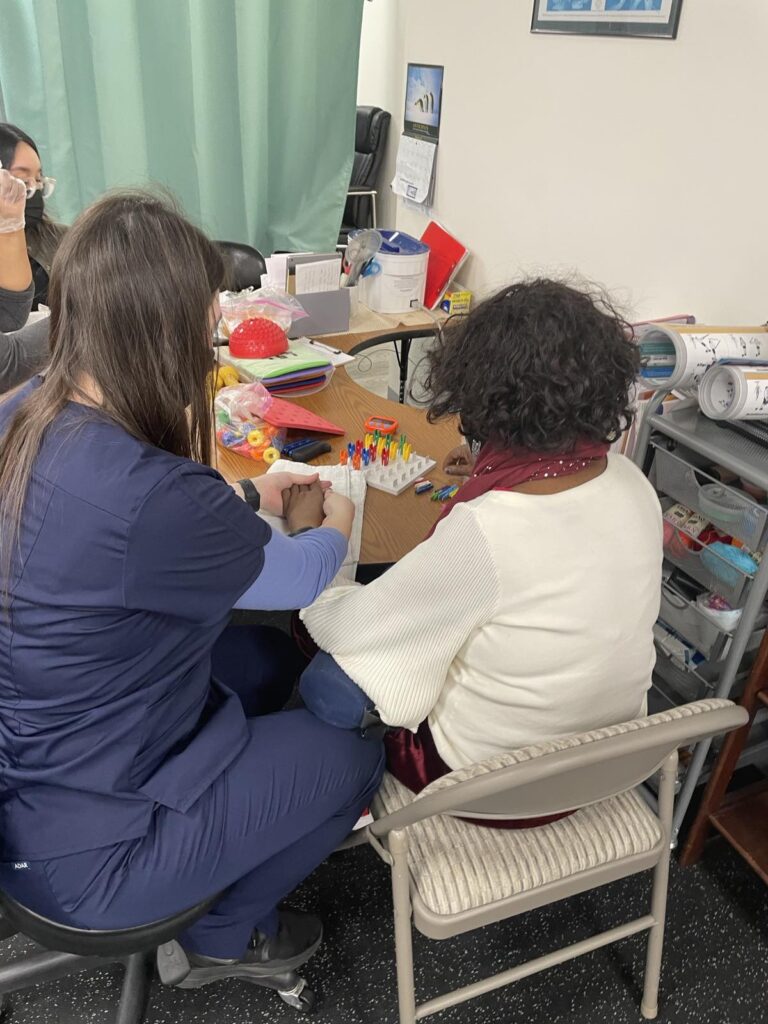
Occupational Therapy deals with restoring patients to activities/occupations of choice, including activities of daily living (e.g., dressing, getting out of bed, grooming, etc.) and incidental activities of daily living (e.g., shopping, cooking, writing, etc.). OT seeks to restore or maximize independence in activities of choice, including hand therapy, fine motor skills, tendon repair, and burns.
At Active OT, we treat a variety of orthopedic, neurological, and neuromuscular conditions and provide education and strategies that permit you to participate in activities of daily living while healing. Active OT’s staff specialize in task analysis, training, and compensatory strategies and bring more than 10 years of experience.
Occupational therapists work with clients who have a wide range of physical and mental health needs. Some examples include stroke patients, people with developmental disabilities, those who have experienced brain trauma, those who are recovering from surgery or other medical procedures, those who are recovering from chronic pain or other injuries, veterans returning from war, and more.
It is important to note that occupational therapists do not treat mental or physical illness. Instead, they focus on improving the quality of life for their patients by helping them develop new skills that will enable them to achieve their goals.
Frequently Asked Questions
What is Active Occupational Therapy at Active Rockland?
Active Occupational Therapy helps people regain independence in everyday activities (called activities of daily living), such as dressing, grooming, cooking, shopping, and other tasks that make life meaningful. It focuses on improving functional skills so individuals can participate in the activities they choose.
What kinds of conditions does Active Occupational Therapy treat?
Active Occupational Therapy works with individuals who have orthopedic, neurological, and neuromuscular conditions — those arising from injuries, illnesses, developmental issues, or brain trauma — to help them improve daily functioning and quality of life.
How does Active Occupational Therapy help improve independence?
The team provides task analysis, training, and compensatory strategies, meaning they break down activities into manageable steps, teach how to do them more easily, and introduce strategies or adaptations that help a person complete tasks independently.
Who benefits from Active Occupational Therapy?
People with a wide range of physical and mental health needs benefit from occupational therapy — including those recovering from surgery, living with chronic pain, stroke survivors, individuals with developmental disabilities or brain injuries, and veterans — all seeking to improve independence in daily activities.
Does Active Occupational Therapy treat illnesses directly?
No. Occupational therapists do not treat medical illnesses themselves. Instead, they focus on enhancing a person’s abilities and quality of life by helping them develop the skills and strategies needed to achieve their daily activity goals.