
Every child develops at their own pace. But when a parent notices that their child is struggling to it up, walk, hold a pencil, or keep up with peers on the playground, those concerns deserve to be taken seriously.Early intervention is one of the most evidence-supported concepts in pediatric medicine. The younger a child receives …


Every child develops at their own pace. But when a parent notices that their child is struggling to it up, walk, hold a pencil, or keep up with peers on the playground, those concerns deserve to be taken seriously.
Early intervention is one of the most evidence-supported concepts in pediatric medicine. The younger a child receives specialized support for a developmental challenge, the greater the potential for lasting, meaningful improvement. This is because the developing brain is at its most neuroplastic, most receptive to change in the early years of life. Our pediatric rehabilitation team exists to meet children and families at exactly the moment when they need us most.
The Children We Serve
Our program supports children from infancy through adolescence. We see children with a wide range of conditions and challenges, including:
Developmental Delays
Children who are not meeting motor milestones — rolling, sitting, crawling, standing, or walking on the expected timeline benefit enormously from early physical and occupational therapy intervention. Delays are often caught during well-child visits, but parents who have a feeling that ‘something is off’ are almost always right to investigate further.
Torticollis and Plagiocephaly
Torticollis — a tightening or shortening of the muscles on one side of the neck, is more common than most parents realize. Infants with torticollis may have difficulty turning their head one way, and often develop positional plagiocephaly (a flattened area of the skull) as a result. With early physical therapy, torticollis typically resolves fully often within a few months of treatment.
Cerebral Palsy
Cerebral palsy is a spectrum condition affecting movement, muscle tone, and coordination due to injury to the developing brain. Our therapists are trained in approaches including neurodevelopmental treatment (NDT) and intensive functional therapy to help children with CP build movement skills, increase independence, and participate more fully in daily life.
Developmental Coordination Disorder (DCD)
Sometimes called ‘dyspraxia,’ DCD affects a child’s ability to coordinate movements — leading to clumsiness, difficulty learning new motor skills, and struggles with activities like catching a ball, riding a bike, or handwriting. These children are often bright and verbal but frustrated by their bodies’ failure to do what their minds intend. OT and physical therapy together can make a transformative difference.
Early Intervention Research
Children with DCD who receive targeted occupational and physical therapy have been shown in multiple studies to achieve levels of motor competence indistinguishable from their typically developing peers when intervention begins early. The sooner a child receives support, the better the long-term outcome.
Toe Walking
Persistent toe walking beyond age three may indicate muscle tightness, sensory processing differences, or underlying neurological conditions. Our therapists assess the contributing factors and design targeted programs; combining stretching, strengthening, and sensory integration techniques to bring the heels to the floor and normalize gait.
Pediatric Sports Injuries
Young athletes are not immune to serious injury. Growth plate injuries, stress fractures, ACL tears, and overuse conditions like Osgood-Schlatter disease are all common in active children and adolescents. Our sports-informed therapists understand the unique vulnerabilities of the growing body and provide evidence-based rehabilitation that gets kids back to the sports they love safely.
Our Approach: Therapy That Feels Like Play
This is the cornerstone of everything we do with children: therapy that doesn’t feel like therapy. A child who is engaged, having fun, and motivated to participate will always make faster progress than one who is enduring exercises they find tedious or frightening.
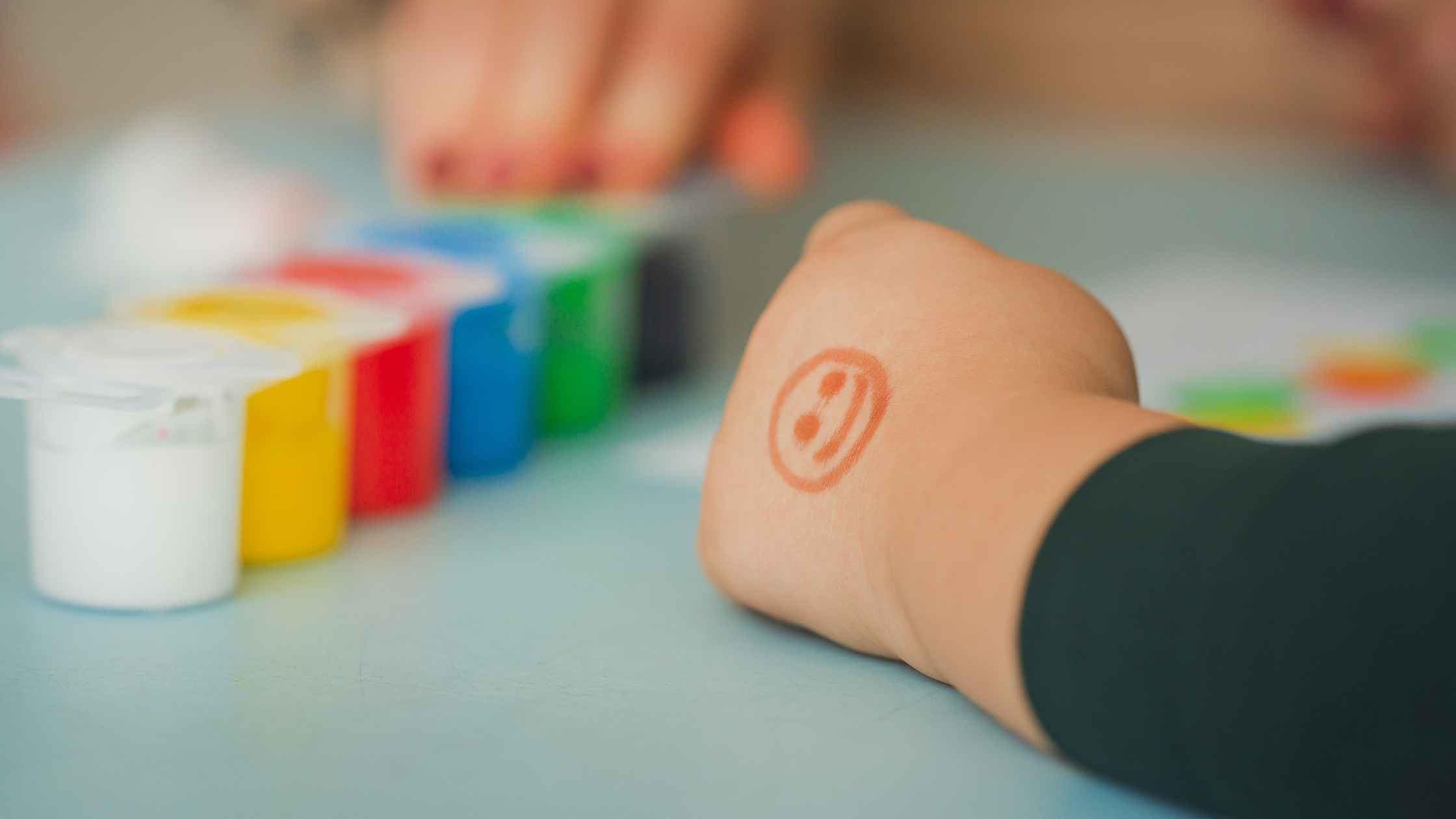
Our pediatric sessions are designed around each child’s interests, personality, and sensory profile. An obstacle course might target balance and coordination. A ball game might build upper extremity strength. A craft activity might develop pinch grip and fine motor precision. The children know they’re having fun. The therapists know exactly what’s developing.
Patient Story:
At 18 months, Liam wasn’t walking and showed significant delays in his gross motor skills. His parents were told to ‘wait and see.’ They sought a second opinion at our clinic. After just four months of weekly physical therapy, Liam was walking independently and had caught up to his peers. He is now five years old, runs, climbs, and plays football in his backyard. His mother says, ‘Getting an assessment was the best decision we ever made.’
Partnering with Families for Lasting Results
Pediatric therapy doesn’t happen only in our clinic. The hour your child spends with us each week is important, but the hours they spend at home, in school, and on the playground matter just as much.
We take time to teach parents and caregivers the techniques and exercises that support their child’s development between sessions. We communicate regularly with teachers, school therapists, and other specialists to ensure everyone is working from the same playbook. Progress is always faster when the whole village is involved.
Frequently Asked Questions
At what age should I seek pediatric therapy for my child?
There is no minimum age. We work with children from infancy through adolescence. If you have a concern about your child’s development at any age, an evaluation is the right first step. Early intervention is always more effective than waiting.
Do I need a referral for pediatric therapy?
No referral is required to contact us about our pediatric program. Many families come with recommendations from their pediatrician, neurologist, or school evaluation team but you can also reach out to us directly.
How will I know if my child is making progress?
We set clear, measurable goals at the beginning of treatment and update them regularly. We communicate progress to you at every session and schedule formal review appointments to discuss milestones. You will always know exactly where your child stands.
What is the difference between pediatric PT and pediatric OT?
Pediatric physical therapy focuses primarily on gross motor skills, how a child moves their whole body: walking, running, jumping, balance, and coordination. Pediatric occupational therapy focuses on fine motor skills, sensory processing, and the ability to perform daily tasks like dressing, writing, and playing. Both disciplines often work together for the best outcomes.
Ready to Get Started?
Every child deserves the chance to move, play, and grow with confidence. If you have concerns about your child’s development, don’t wait, early intervention makes a real difference. Contact our pediatric team today for an evaluation.
activerockland.com | Call 845-354-7779
Book a Consultation
It’s easy and free!