

Healing After Surgery: How Rehabilitation Supports Recovery
Surgery may correct an injury or health problem, but recovery continues after the procedure. Your body still needs time to manage swelling, restore movement, rebuild strength, and return to daily tasks.
A well-planned post-surgery rehabilitation program can guide that process. Physical Therapy, Lymphatic Drainage, Occupational Therapy, and gradual movement may each support recovery when your medical team considers them appropriate.
About the 2025 Unsung Heroes List
City & State New York’s inaugural Unsung Heroes list, researched and written in partnership with journalist Lon Cohen, recognizes New Yorkers who are highly effective but operate largely under the radar — from nonprofit leaders to civic organizers and public servants who get things done behind the scenes. Read the full list →
Why Recovery After Surgery Takes Time
Every surgery affects the body differently. The location of the procedure, your health history, activity level, and surgeon’s restrictions all shape the recovery timeline.
Pain, stiffness, swelling, weakness, and fatigue can make normal movement harder during the early stages. These changes can also affect walking, dressing, bathing, cooking, work, and other familiar routines.
Recovery usually works best when each stage builds on the one before it. The goal is steady progress without pushing the body beyond its current capacity.
The Role of Physical Therapy After Surgery
Physical Therapy can help restore movement, strength, balance, and confidence after many procedures. A physical therapist first looks at how surgery has affected mobility and function.
Early treatment may focus on safe movement, joint mobility, swelling management, walking, and basic muscle activation. As healing progresses, therapy can add strengthening, balance work, endurance, and more demanding functional tasks.
The therapist can also adapt exercises to surgical precautions. This helps patients work toward recovery goals while respecting the surgeon’s instructions and the body’s healing process.
Rebuilding Strength Without Rushing
Muscles can lose strength when pain or restrictions reduce normal activity. That weakness may affect posture, walking, transfers, stair use, or the ability to carry everyday items.
Progressive exercise gives the body a structured way to rebuild capacity. The therapist can adjust resistance, repetitions, range of motion, and activity level as strength returns.
Restoring Comfortable Movement
Stiffness can develop when a joint or body region moves less after surgery. Scar sensitivity, swelling, guarding, and temporary restrictions may also change normal movement patterns.
Guided mobility work can help restore useful motion over time. The specific exercises depend on the procedure, healing stage, and medical precautions.
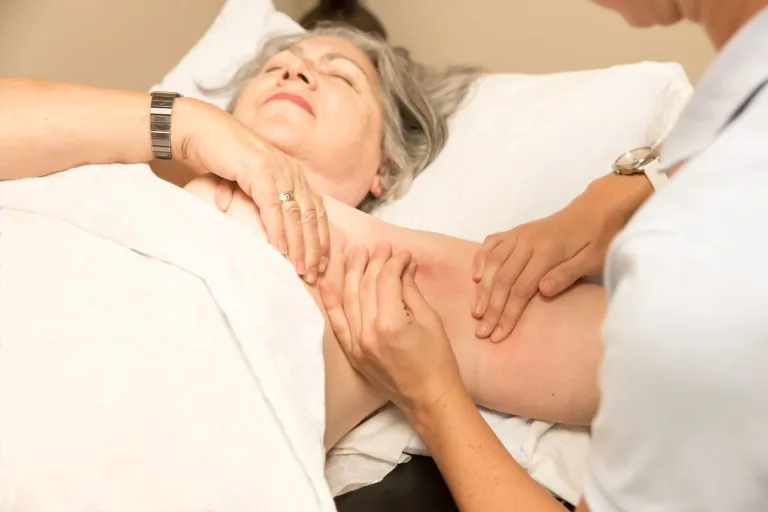
How Lymphatic Drainage May Help With Post-Surgical Swelling
Lymphatic Drainage uses gentle techniques that encourage lymphatic fluid to move through available pathways. Some patients may use this approach when surgery disrupts normal lymph flow or contributes to swelling.
Swelling can create tightness, heaviness, and discomfort. It may also make movement more difficult, especially when fluid collects near the surgical area.
Lymphatic drainage does not suit every patient or every procedure. A qualified clinician should consider the type of surgery, current symptoms, medical history, and surgeon’s guidance before adding it to care.
When Swelling Needs Medical Attention
Not every increase in swelling belongs in routine rehabilitation. Contact your healthcare team promptly if swelling suddenly worsens or comes with redness, warmth, fever, drainage, calf pain, chest pain, or shortness of breath.
These signs can require medical evaluation. Rehabilitation should complement appropriate medical care, not replace it.
How Occupational Therapy Supports Everyday Recovery
Occupational Therapy focuses on the daily activities that surgery can disrupt. An occupational therapist may help patients return to dressing, bathing, meal preparation, work tasks, household routines, and other meaningful activities.
The therapist can break difficult tasks into smaller steps and suggest safer ways to complete them. Treatment may also address upper-body function, coordination, endurance, fine motor skills, or energy management.
This practical focus becomes especially important when patients can move better but still struggle with everyday independence. Recovery should improve real-life function, not only performance during therapy sessions.
Adapting Tasks While the Body Heals
Temporary changes can make daily routines safer and easier. A therapist may recommend different body positions, task sequences, pacing strategies, or equipment when those options fit the patient’s needs.
These changes do not mean giving up independence. They can help patients stay involved in daily life while strength, mobility, and tolerance improve.
Why Gradual Movement Matters After Surgery
Movement often plays an important role in recovery, but more activity does not always mean faster healing. The right amount depends on the procedure, current symptoms, and medical restrictions.
Early movement may include short walks, breathing exercises, gentle range-of-motion work, or simple functional tasks. Later stages may add strengthening, longer periods of activity, balance challenges, and a return to work or recreation.
A structured movement plan helps patients understand what they can do now and what they can work toward next. It also gives the rehabilitation team a clear way to adjust the plan as function changes.
How These Services Can Work Together
Post-surgery rehabilitation often involves more than one concern. A patient may need help with mobility, swelling, strength, and daily activities at the same time.
Physical Therapy can address movement and physical capacity. Lymphatic Drainage may support appropriate swelling management, while Occupational Therapy can focus on the tasks that make up everyday life.
These services do not need to follow the same plan for every patient. The most useful combination depends on the surgery, symptoms, medical clearance, and personal recovery goals.
What a Post-Surgery Rehabilitation Plan May Include
A rehabilitation plan should reflect both medical precautions and functional goals. Depending on the procedure, the plan may include:
- Pain-aware mobility and range-of-motion exercises
- Progressive strengthening and endurance work
- Walking, balance, or transfer training
- Swelling management when clinically appropriate
- Practice with dressing, bathing, cooking, or work tasks
- Education about pacing, positioning, and home exercises
- Regular progress checks and treatment adjustments
The plan should change as the patient improves. What matters during the first stage of recovery may differ from what matters several weeks later.
Signs You May Benefit From Rehabilitation After Surgery
Ask your surgeon or healthcare provider about rehabilitation if pain, weakness, swelling, stiffness, or reduced function makes recovery harder than expected.
You may also benefit from guidance if you feel unsure about safe movement, struggle with daily tasks, or find it difficult to rebuild activity after restrictions begin to ease.
A rehabilitation evaluation can identify the main barriers and help create realistic next steps. It can also clarify when another medical review may be necessary.
Recovery Is a Process, Not a Race
Healing after surgery takes patience, but recovery does not have to feel directionless. A clear rehabilitation plan can connect each stage of healing with practical goals for movement and daily life.
Post-surgery rehabilitation may include Physical Therapy, Lymphatic Drainage, Occupational Therapy, and progressive movement when appropriate. If surgery has left you with pain, swelling, weakness, or difficulty returning to normal activities, consider discussing rehabilitation options with your healthcare team.