
The pelvic floor includes a group of muscles and ligaments that form a "floor like" structure that supports key organs. These include the bladder and bowels (and uterus for women).A strong pelvic floor is important for preventing issues like urinary incontinence for men and women (the involuntary loss of control of urine) and pelvic organ prolapse.Pelvic organ prolapse occurs when the …

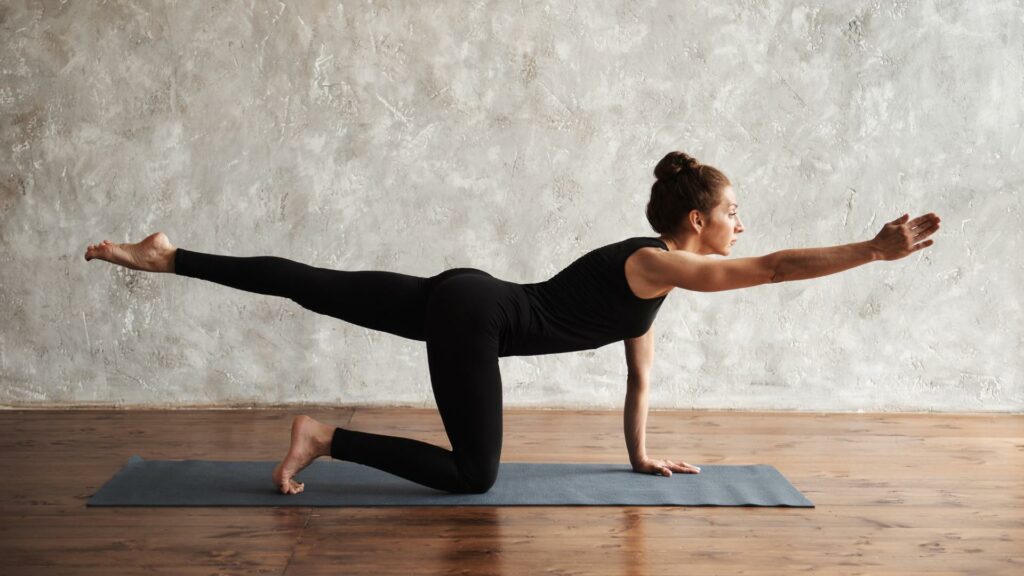

The pelvic floor includes a group of muscles and ligaments that form a “floor like” structure that supports key organs. These include the bladder and bowels (and uterus for women).
A strong pelvic floor is important for preventing issues like urinary incontinence for men and women (the involuntary loss of control of urine) and pelvic organ prolapse.
Pelvic organ prolapse occurs when the muscles and tissues supporting the organs (i.e. the pelvic floor) weaken. This can be caused by various issues including childbirth, aging, chronic cough, hormonal changes such as menopause, excessive straining due to constipation, constant lifting of heavy objects, obesity and pregnancy.
How To Strengthen Your Pelvic Floor Muscles
Men and women should regularly exercise their pelvic floor muscles. It is highly recommended that women do pelvic floor exercises daily to prevent weakness and, if needed, to improve the strength of their pelvic floor muscles.
As with any muscle, consistently performing the right exercises always helps. Gentle exercises (like walking regularly) can also help strengthen the pelvic floor muscles.
Identifying and Engaging the Right Muscles

Step one = Identify the right muscles
In order to identify where your pelvic floor muscles are, you want to tighten your muscles in that area. Identifying the muscles correctly is the first step towards muscle engagement and increased control.
Step two = Learn to engage (contract) the pelvic floor muscles properly
Contracting the muscles is not difficult, but you want to be sure you are doing it correctly.
Begin by contracting the muscle upward and inward. The best way to think about this is imagine you are going to the bathroom. You want to stop yourself midway (or midstream) by actively contracting your pelvic floor muscles.
Step three = Pace yourself
You need to train your pelvic floor muscles just as you would with any other muscle group, through repetition. If you have any questions, please get in touch with one of our skilled physical therapists and we will be happy to steer you in the right direction.
Kegels for Pelvic Pain

Anyone who’s ever experienced pelvic pain or pelvic organ prolapse will tell you it’s a frustrating and painful ordeal.
If you or a loved one suspect pelvic floor dysfunction, call your doctor for an immediate check-up. If your doctor recommends “shaping up” of the pelvic floor muscles, you might want to consider “Kegel Exercises” (most women have heard of Kegels).
Experts agree that Kegel exercises are the most effective way to tone and strengthen the pelvic floor muscles. According to several studies, women after the age of 35 lose approximately 5% of their body’s muscle mass every 10 years. This loss of muscle mass affects every aspect of a woman’s body, including the pelvic region.
So how can physical therapy help women (and men) tone and strengthen muscles, especially in the pelvic area?
Physical therapists can design a full pelvic workout, including exercises called “Pelvic Clocks” and “Kegels” to strengthen the muscles in the pelvic region.
To find out how you can benefit from these and other exercises, call our office today to schedule an appointment. Let us help you regain control of your pelvic floor muscles.
Note: Please do not start any exercise routine without the consent of your physician.
Book a Consultation
It’s easy and free!