
Diabetic foot care helps prevent ulcers and falls. Learn how neuropathy affects your feet and how podiatry & physical therapy protect mobility

Diabetic Foot Care and Neuropathy: How Podiatry and Physical Therapy Protect Mobility
November is National Diabetes Month, and World Diabetes Day falls on November 14. Much of diabetes care focuses on blood sugar, medication, and diet. Your feet deserve attention too. Diabetes can affect the nerves and circulation in the feet, and small problems there can become serious if they go unnoticed.
Good diabetic foot care is about more than avoiding injury. It helps you keep walking, stay active, and stay independent. This guide explains how neuropathy affects the feet and how podiatry and physical therapy work together to protect your mobility.
About the 2025 Unsung Heroes List
City & State New York’s inaugural Unsung Heroes list, researched and written in partnership with journalist Lon Cohen, recognizes New Yorkers who are highly effective but operate largely under the radar — from nonprofit leaders to civic organizers and public servants who get things done behind the scenes. Read the full list →
How Diabetes Affects the Feet
Over time, high blood sugar can damage nerves. This is called diabetic peripheral neuropathy, and it often starts in the feet. It is common, affecting up to half of people with diabetes at some point.
Neuropathy can show up in different ways:
- Numbness or reduced feeling in the toes or feet
- Tingling, burning, or “pins and needles,” often worse at night
- Sharp or shooting pain in the feet or legs
- A feeling of walking on cotton or not being sure where your feet are
Diabetes can also reduce blood flow to the feet, which slows healing. When reduced feeling and slower healing come together, a blister or small cut may go unnoticed and turn into an ulcer or infection. That is why regular foot care is such an important part of diabetes management.
Why Neuropathy Puts Mobility at Risk
Neuropathy does not only affect the skin. Your feet send constant signals to your brain about where you are standing and how the ground feels. When those signals weaken, balance often suffers. Many people with neuropathy notice they feel unsteady in the dark, on uneven ground, or when turning quickly.
Over time, people may walk more slowly, take shorter steps, or avoid activity altogether. Less activity can lead to weaker muscles and stiffer joints, which further increases the risk of falls. Protecting the feet and protecting mobility go hand in hand.
The Role of Podiatry in Diabetic Foot Care
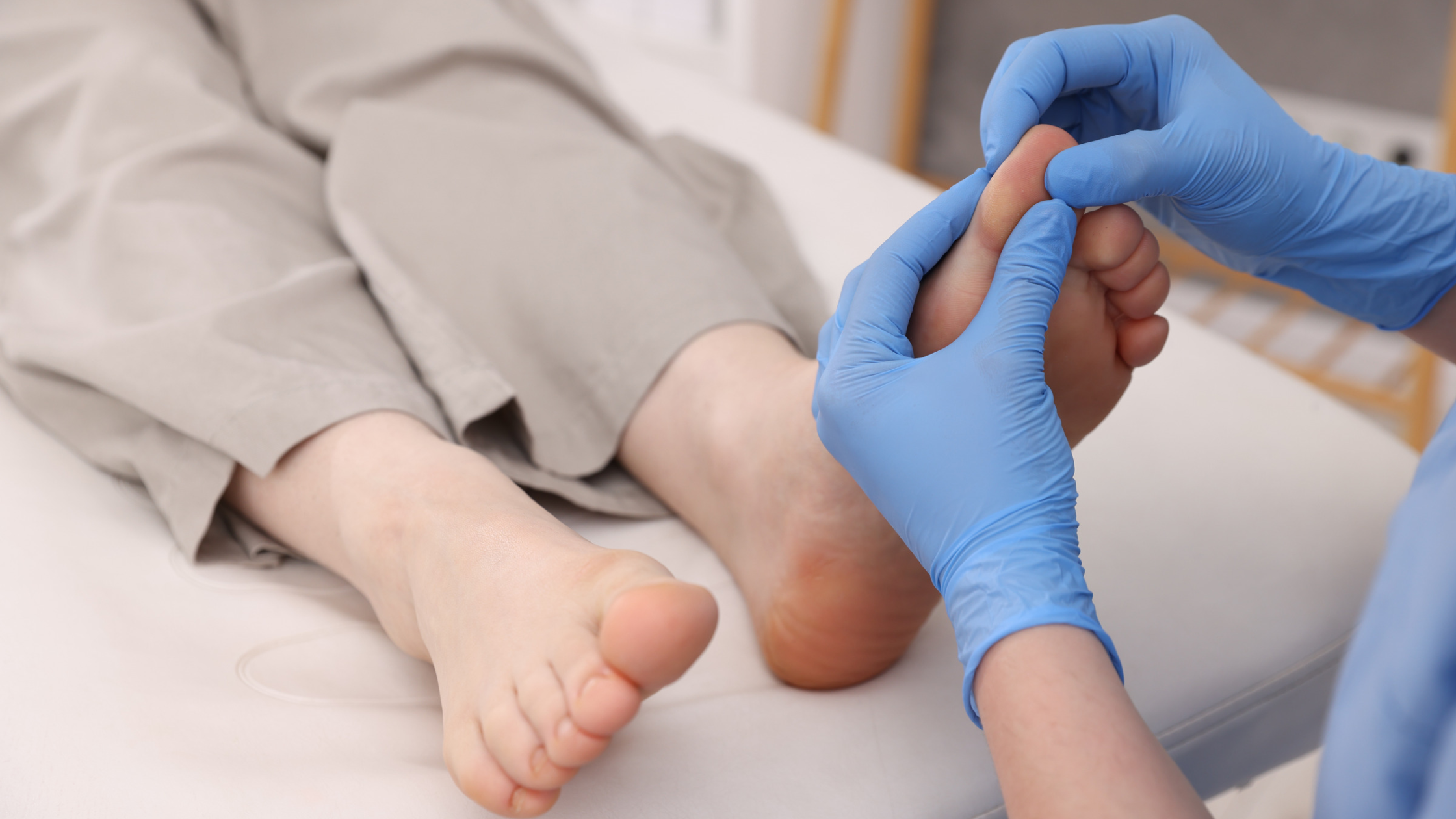
A podiatrist specializes in the health of the feet and ankles. For people with diabetes, podiatry focuses on prevention and early detection. A podiatrist may:
- Perform a diabetic foot exam,including tests for sensation, circulation, and skin changes
- Care for nails, corns, and callusessafely, since cutting these at home can lead to wounds
- Recommend footwear and orthoticsthat reduce pressure on high-risk areas
- Spot early warning signssuch as skin breakdown, changes in foot shape, or areas of high pressure
- Treat wounds or infectionsearly and coordinate with your physician when needed
Most people with diabetes should have a thorough foot exam at least once a year. Those with neuropathy, poor circulation, or a history of foot ulcers usually need more frequent checks.
The Role of Physical Therapy in Protecting Mobility
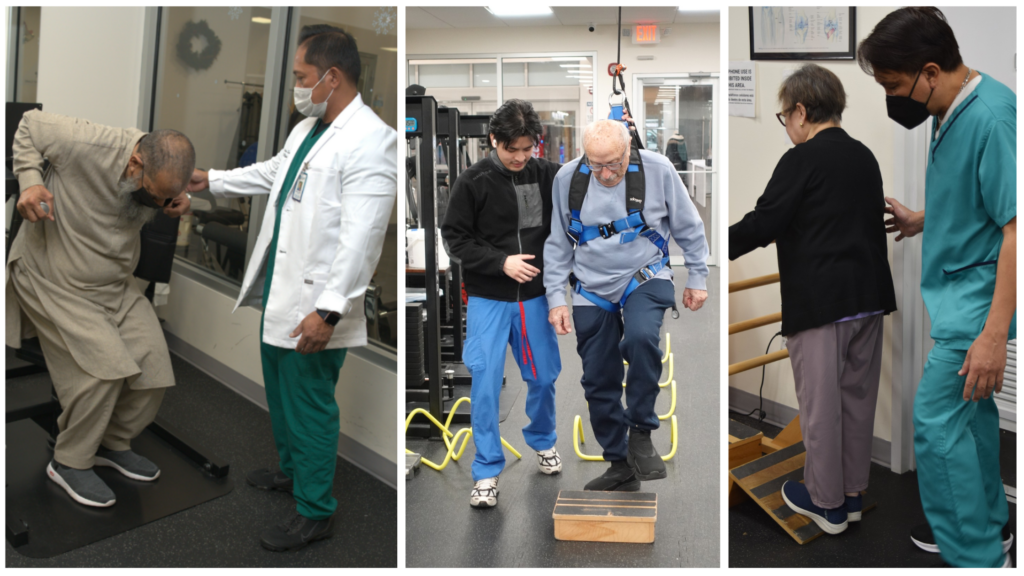
While podiatry protects the feet themselves, physical therapy focuses on how you move. For people living with diabetic neuropathy, a physical therapist may work on:
- Balance trainingto help your body rely on vision and other senses when foot sensation is reduced
- Strength trainingfor the hips, legs, and ankles to support steadier walking
- Gait trainingto improve step length, foot clearance, and walking confidence
- Ankle and foot mobilityto reduce stiffness and spread pressure more evenly
- Safe activity plansthat suit your feet, including seated or low-impact options when needed
Regular physical activity also supports blood sugar control and heart health, so staying active safely is valuable in more ways than one. Our fall prevention guide shares more ways to lower fall risk at home.
How Podiatry and Physical Therapy Work Together
These two services complement each other. A podiatrist may identify an area of high pressure and recommend orthotics, while a physical therapist helps you adjust to them and improve the walking pattern that caused the pressure. If a wound requires you to limit weight on one foot, your therapist can help you stay strong with safe alternatives until it heals. For a broader look at foot pain beyond diabetes, see our post on how podiatry and physical therapy work together.
Daily Diabetic Foot Care Habits
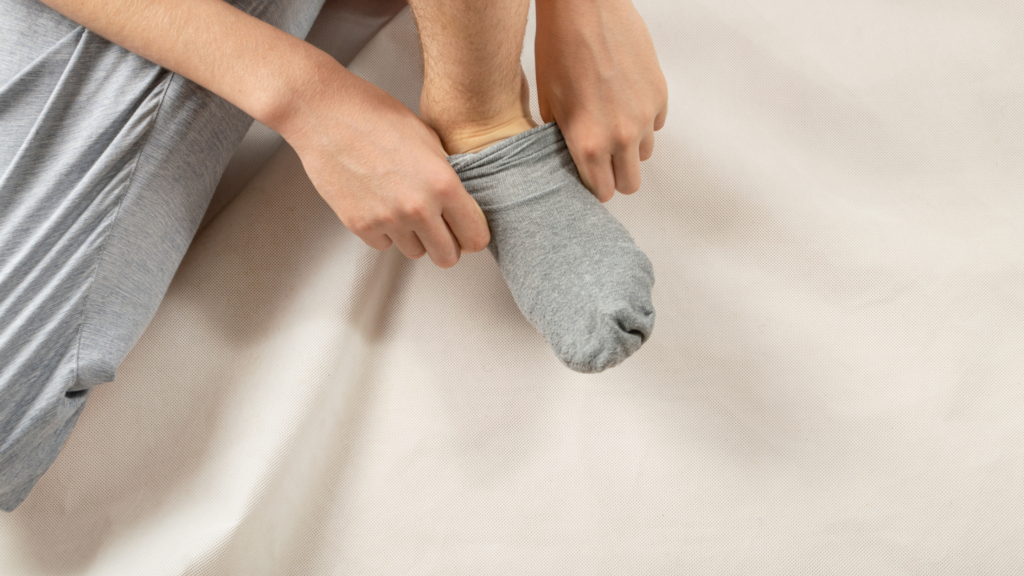
- Check your feet every dayfor cuts, blisters, redness, or swelling. Use a mirror or ask for help if needed.
- Wash and dry carefully,especially between the toes, and moisturize the tops and bottoms but not between the toes.
- Test water temperaturewith your elbow or a thermometer, since reduced feeling can hide burns.
- Avoid going barefoot,even at home.
- Wear well-fitting shoes and clean, dry socks,and check inside shoes before putting them on.
- Be careful with heat this winter.Heating pads, hot water bottles, and space heaters can burn feet that cannot sense heat well.
When to Contact Your Doctor Right Away
Call your doctor or podiatrist promptly for a sore, blister, or cut that is not healing; redness, warmth, or swelling; drainage or an unusual odor; skin color changes such as darkening; or a fever with any foot problem. A foot that becomes suddenly warm, red, and swollen, even without much pain, should also be checked the same day.
Common Questions About Diabetic Foot Care
How often should someone with diabetes see a podiatrist?
At least once a year for a comprehensive foot exam, and more often if you have neuropathy, circulation problems, or a history of foot wounds. Your podiatrist will recommend a schedule.
Can physical therapy help with neuropathy?
Physical therapy cannot reverse nerve damage, but it can improve balance, strength, and walking confidence, which may lower fall risk and help you stay active.
Is it safe to exercise with diabetic neuropathy?
For most people, yes, with the right precautions. Proper footwear, daily foot checks, and an activity plan matched to your feet help keep exercise safe.
Do I need special shoes?
Not everyone does. A podiatrist can tell you whether regular supportive shoes are enough or whether therapeutic shoes or custom orthotics would help protect your feet.
Conclusion
Diabetic foot care is one of the most practical ways to protect your long-term mobility. Daily habits, regular podiatry visits, and targeted physical therapy can help prevent problems, catch changes early, and keep you walking with confidence.
If you are living with diabetes or noticing numbness, tingling, or unsteadiness, the team at Active Rockland in West Nyack and Haverstraw offers podiatry and physical therapy under one roof. Call 845-354-7779 or book an appointment to schedule an evaluation.
Book a Consultation
It’s easy and free!