A stroke changes everything, often in the time it takes to blink. One moment, a person is living their normal life. The next, they may struggle to speak, move an arm, or take a step. For families watching a loved one navigate this, it can feel as though the life they knew has simply disappeared.But …

A stroke changes everything, often in the time it takes to blink. One moment, a person is living their normal life. The next, they may struggle to speak, move an arm, or take a step. For families watching a loved one navigate this, it can feel as though the life they knew has simply disappeared.
But here is what years of working with stroke survivors has taught us: the life before a stroke does not have to be the ceiling for recovery. The brain is a remarkably adaptable organ. With early, intensive, and expertly guided stroke rehabilitation, many survivors reclaim abilities initially thought to be permanently lost.
Understanding Neuroplasticity: The Brain’s Secret Recovery Weapon
The key to stroke recovery is neuroplasticity: the brain’s ability to reorganize itself by forming new neural connections. When a stroke damages one area of the brain, neighboring regions can sometimes take over the lost functions, but only if actively stimulated through repetitive, purposeful movement.
This is why rehabilitation after stroke is not optional. It is not just helpful, it is how recovery actually happens. The window for the most rapid neuroplastic change is within the first three to six months post-stroke, making early rehabilitation critically important.
Did You Know?
Studies show that stroke survivors who receive intensive, goal-directed rehabilitation within the first 30 days of their stroke have significantly better functional outcomes at six months than those who delay or skip rehabilitation. Time and consistency are the two most powerful recovery tools.
What Our Stroke Rehabilitation Program Covers
Stroke affects people differently depending on which area of the brain was damaged. Our program is built around your specific deficits and goals — not a generic checklist. Treatment coordinates across physical therapy, occupational therapy, and speech therapy as needed.
Physical Therapy: Rebuilding Movement and Mobility
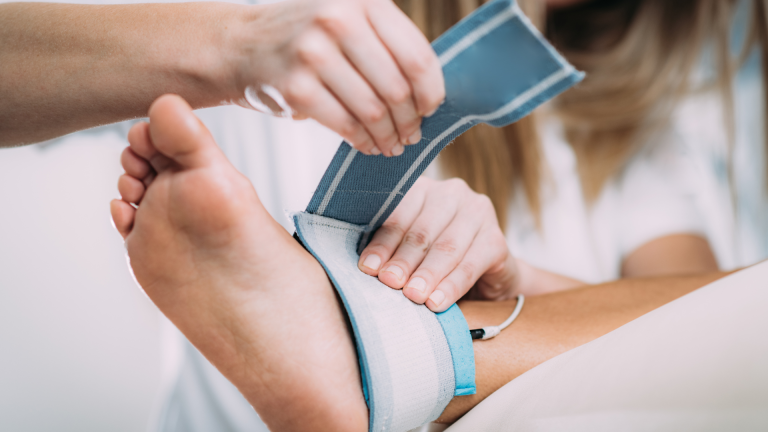
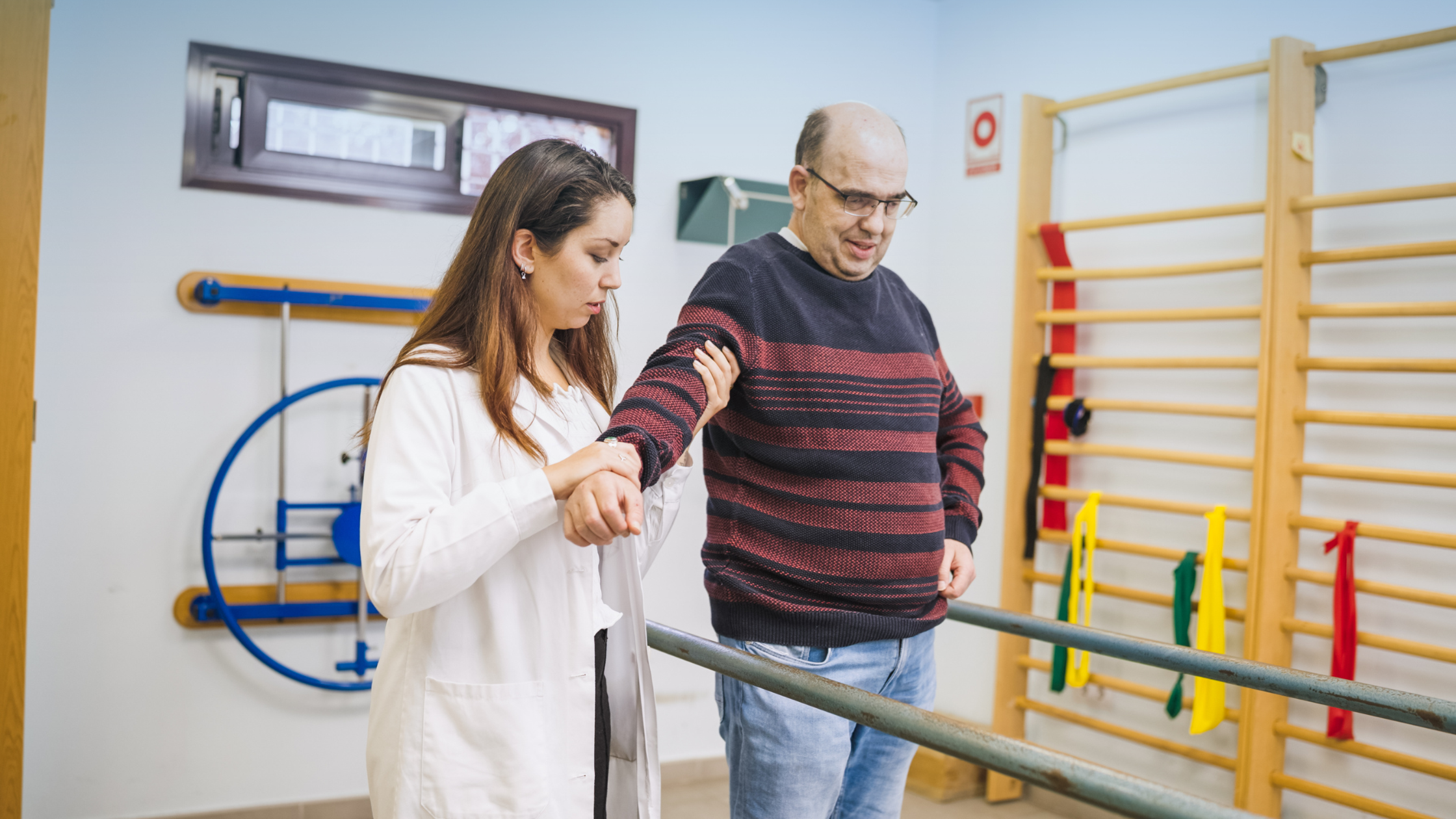
Our physical therapists work on foundational movement skills that stroke can disrupt: sitting balance, rolling, safe transfers, standing, and walking. We address muscle weakness, spasticity (abnormal muscle stiffness), and coordination problems. For patients with significant leg weakness, we use neuromuscular electrical stimulation (NMES) to re-engage muscles. For walking retraining, we may use body-weight-supported treadmill training or specialized balance equipment.
Constraint-Induced Movement Therapy (CIMT) for Arm Recovery
One of the most powerful tools for arm and hand recovery after stroke is Constraint-Induced Movement Therapy. In CIMT, the unaffected arm is gently restrained during therapy, forcing the affected arm to do the work. This intense, repetitive use of the weaker limb drives neuroplastic change in the areas of the brain controlling that arm. Patients who believed their affected arm would never work again have regained the ability to write, button shirts, and prepare meals.
Patient Story:
James, 67, came to us three months after a stroke that had left his right arm nearly non-functional. His family had been told the arm might never recover. After twelve weeks of intensive rehabilitation including CIMT, James regained enough function to shake hands, use a fork, and sign his name. 'My therapist never stopped believing I could do more,' he said. 'That belief was contagious.'
Balance and Fall Prevention
Many stroke survivors face an increased risk of falls due to weakness, spasticity, reduced sensation, or coordination problems. Our therapists conduct thorough balance assessments and design progressive training programs to address each contributing factor. We also evaluate the home environment and recommend adaptive equipment where needed.
Frequently Asked Questions
When should stroke rehabilitation start?
Rehabilitation should begin as soon as it is medically safe — often within days of the stroke. The first three to six months represent the period of greatest neuroplastic change, but meaningful progress continues well beyond this window with sustained effort.
What is the realistic timeline for stroke recovery?
Recovery timelines vary widely. Some patients recover most of their function within weeks; others make progress over years. What we know is that with consistent, expert-led rehabilitation, the potential for improvement is greater than many people expect.
Does stroke rehabilitation work for older patients?
Yes. Neuroplasticity occurs at every age. Older stroke survivors benefit significantly from rehabilitation, though they may progress at a different pace. Our programs are adapted to each individual’s age, health, and goals.
Can I receive stroke rehabilitation at home?
Active Care provides clinic-based rehabilitation. For patients who are homebound, we can work with your medical team to coordinate appropriate care pathways. Clinic-based therapy typically provides access to more advanced equipment and hands-on techniques.
Ready to Get Started?
If you or someone you love has experienced a stroke, please do not wait. The sooner rehabilitation begins, the better the outcome. Contact our neurological rehabilitation team today.
activerockland.com | +1 (845) 354-7779
Book a Consultation
It’s easy and free!