

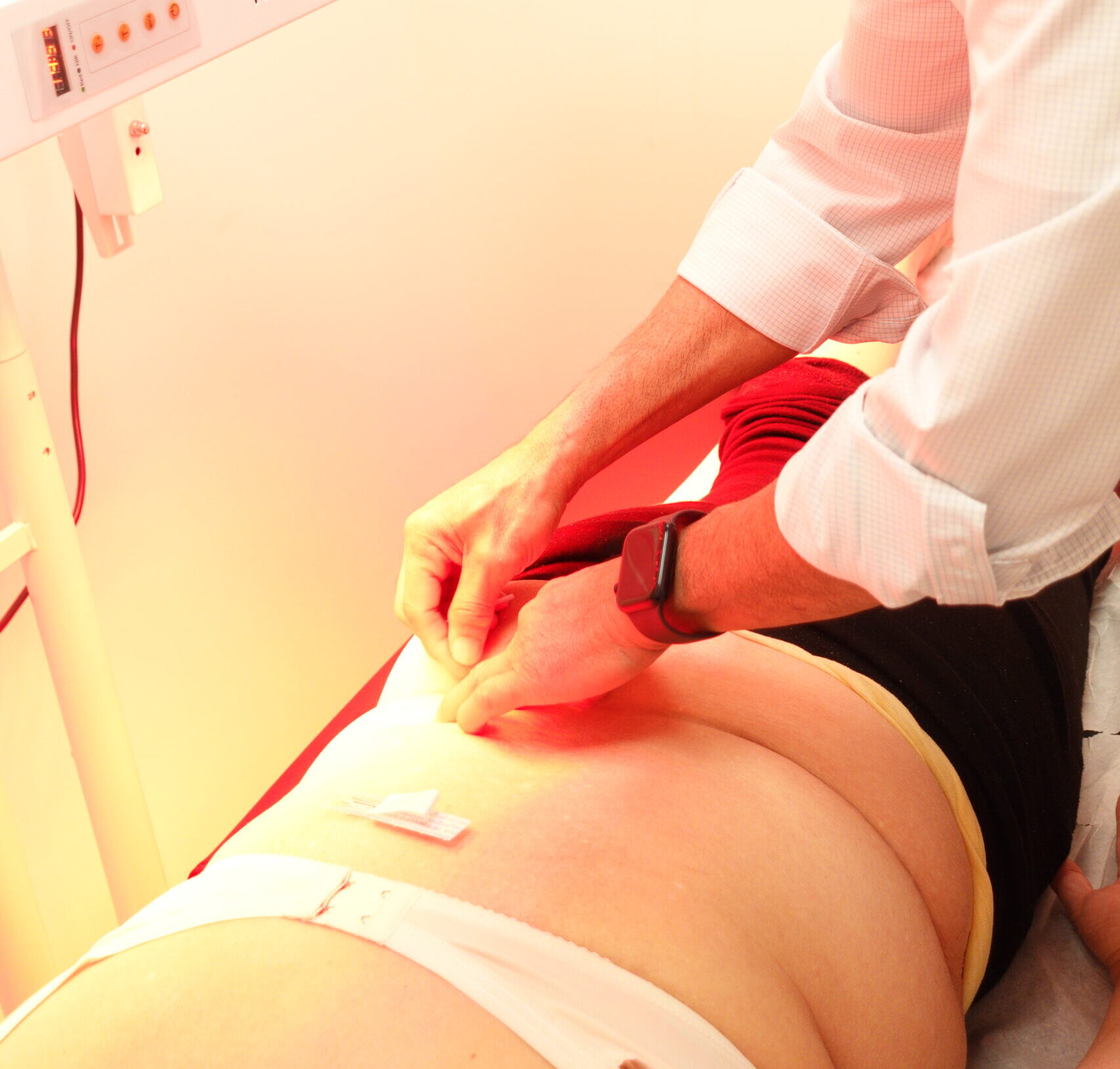
Chronic Pain Relief: Acupuncture and Red Light Therapy
Chronic pain relief can involve more than one approach. During Pain Awareness Month, it is worth looking at how acupuncture, red light therapy, and physical therapy may support people living with persistent pain while keeping movement and daily function part of the conversation.
About the 2025 Unsung Heroes List
City & State New York’s inaugural Unsung Heroes list, researched and written in partnership with journalist Lon Cohen, recognizes New Yorkers who are highly effective but operate largely under the radar — from nonprofit leaders to civic organizers and public servants who get things done behind the scenes. Read the full list →
Why Chronic Pain Can Affect More Than Symptoms
Pain that continues for weeks or months can affect sleep, activity, work, exercise, and confidence with movement. People may begin avoiding activities that once felt routine, which can contribute to stiffness, reduced strength, and less physical activity.
The right approach depends on the cause, location, severity, medical history, and goals of the individual. Treatment may involve active rehabilitation, symptom-management strategies, or a combination rather than relying on one therapy alone.
Acupuncture for Chronic Pain Relief
Acupuncture uses very thin needles to stimulate specific points on the body. Evidence suggests it may provide pain relief for some conditions, including certain types of chronic musculoskeletal pain, although the amount of benefit varies between people and conditions.
For some patients, acupuncture may be considered when pain or muscle tension makes normal activity more difficult. It is one possible component of care alongside appropriate medical evaluation and active strategies that address function.
Red Light Therapy as a Supportive Treatment
Red light therapy, sometimes called photobiomodulation, uses specific wavelengths of light applied to the body. Research is ongoing across different conditions, and results can vary depending on the treatment method and problem being addressed.
In a rehabilitation setting, red light therapy may be used as a supportive modality for areas affected by pain or stiffness. It is not a replacement for diagnosis, exercise, or other treatment when those are needed.
Physical Therapy Keeps Recovery Focused on Movement
Pain relief is important, but restoring function is often just as important. Physical therapy can address strength, flexibility, range of motion, balance, gait, movement patterns, and physical activities that have become difficult because of pain.
Treatment may include therapeutic exercise, stretching, strengthening, movement retraining, hands-on techniques, and education. The specific plan depends on the patient’s evaluation and response to treatment.
How These Approaches May Fit Together
Using several approaches does not mean every person needs every treatment. A clinician may consider symptoms, medical history, goals, activity level, and response to care before deciding which services are appropriate.
- Acupuncture may be considered for selected pain or muscle-tension concerns.
- Red light therapy may be used as a supportive modality in appropriate treatment plans.
- Physical therapy can address strength, mobility, movement, and functional limitations.
- Education and home strategies can help patients carry useful habits into daily life.
The focus should remain on meaningful function. Someone with persistent knee pain may want to walk comfortably, while someone with chronic shoulder pain may want to dress, work, or exercise with less difficulty.
When to Seek an Evaluation for Persistent Pain
Pain that does not improve, keeps returning, or begins limiting normal activities deserves attention. An evaluation can help determine whether symptoms relate to an injury, joint or muscle problem, nerve involvement, inflammation, another medical condition, or a combination.
Seek prompt medical attention for severe or rapidly worsening pain, pain after significant trauma, new weakness or numbness, loss of bladder or bowel control, unexplained fever, chest pain, or other concerning symptoms.
What to Expect From a Personalized Approach
A useful treatment plan begins with understanding the person rather than treating a pain label alone. A clinician may review the history of the problem, current symptoms, movement, strength, activity limitations, medications, and goals.
Progress can then be monitored and the plan adjusted. Some people may need more emphasis on active exercise and mobility, while others may benefit from supportive pain-management approaches alongside rehabilitation.
Common Questions About Chronic Pain Relief
Can acupuncture replace physical therapy?
Not necessarily. The two approaches serve different purposes. Acupuncture may help manage selected pain symptoms, while physical therapy focuses on movement, strength, function, and physical capacity. They may be used together when clinically appropriate.
Is red light therapy a cure for chronic pain?
No treatment should be presented as a universal cure. Red light therapy may be used as a supportive modality for some patients, but its role depends on the condition and overall care plan.
Does chronic pain mean I should stop exercising?
Not automatically. Appropriate movement is often an important part of managing persistent musculoskeletal pain, but exercise should be matched to the person’s condition and ability. A healthcare professional can help determine what activity is appropriate.
Conclusion
Chronic pain can affect much more than the area that hurts. A thoughtful approach considers symptom relief while also addressing movement, strength, activity, and the daily tasks a person wants to regain.
If persistent pain is affecting your routine, sleep, work, or ability to stay active, consider speaking with a qualified healthcare professional about an evaluation. Understanding the cause and available options is a practical first step toward a treatment plan that fits your needs.