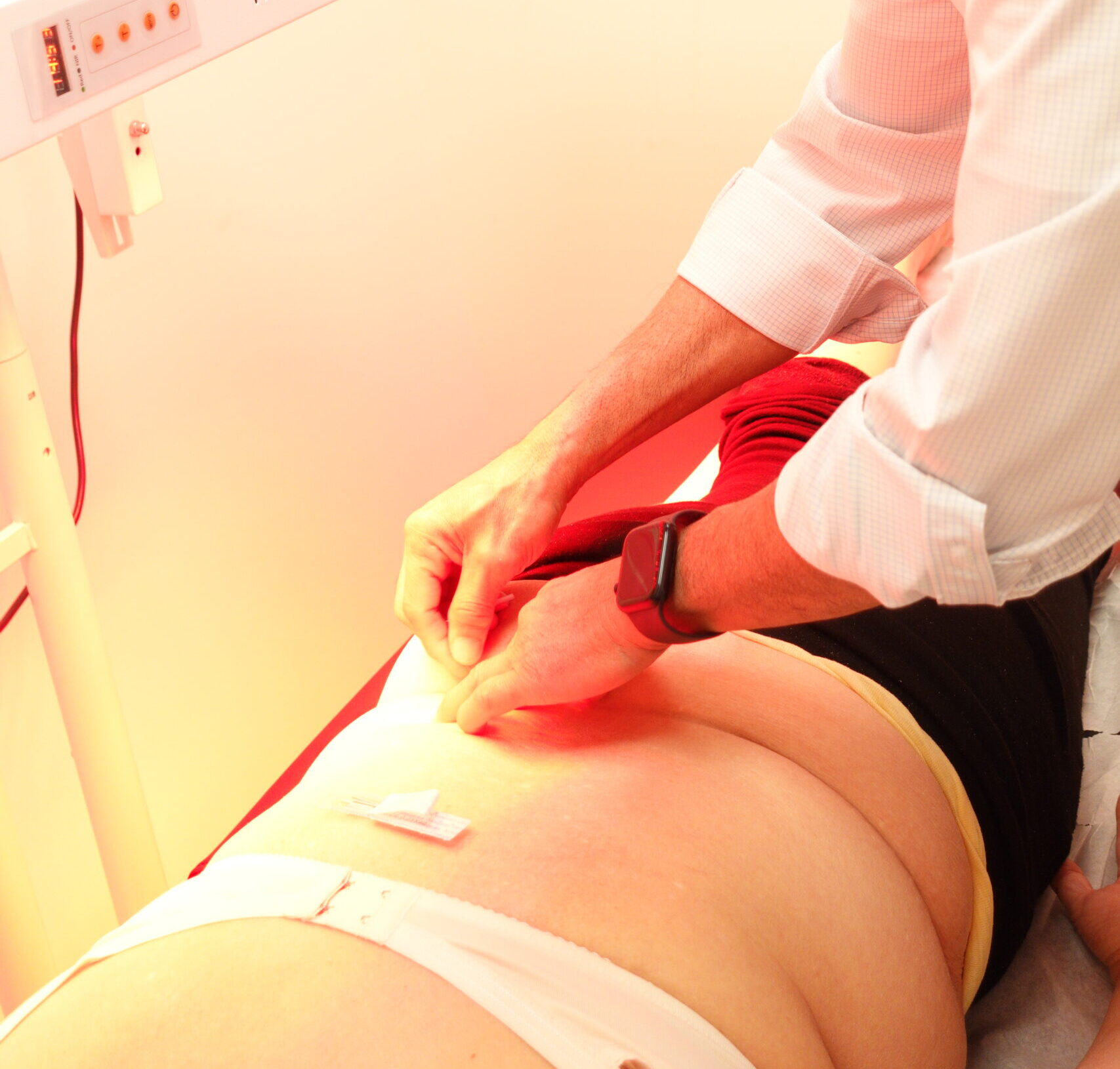

National Physical Therapy Month is a reminder that physical therapy for pain can come first, often before imaging, surgery, or medication.

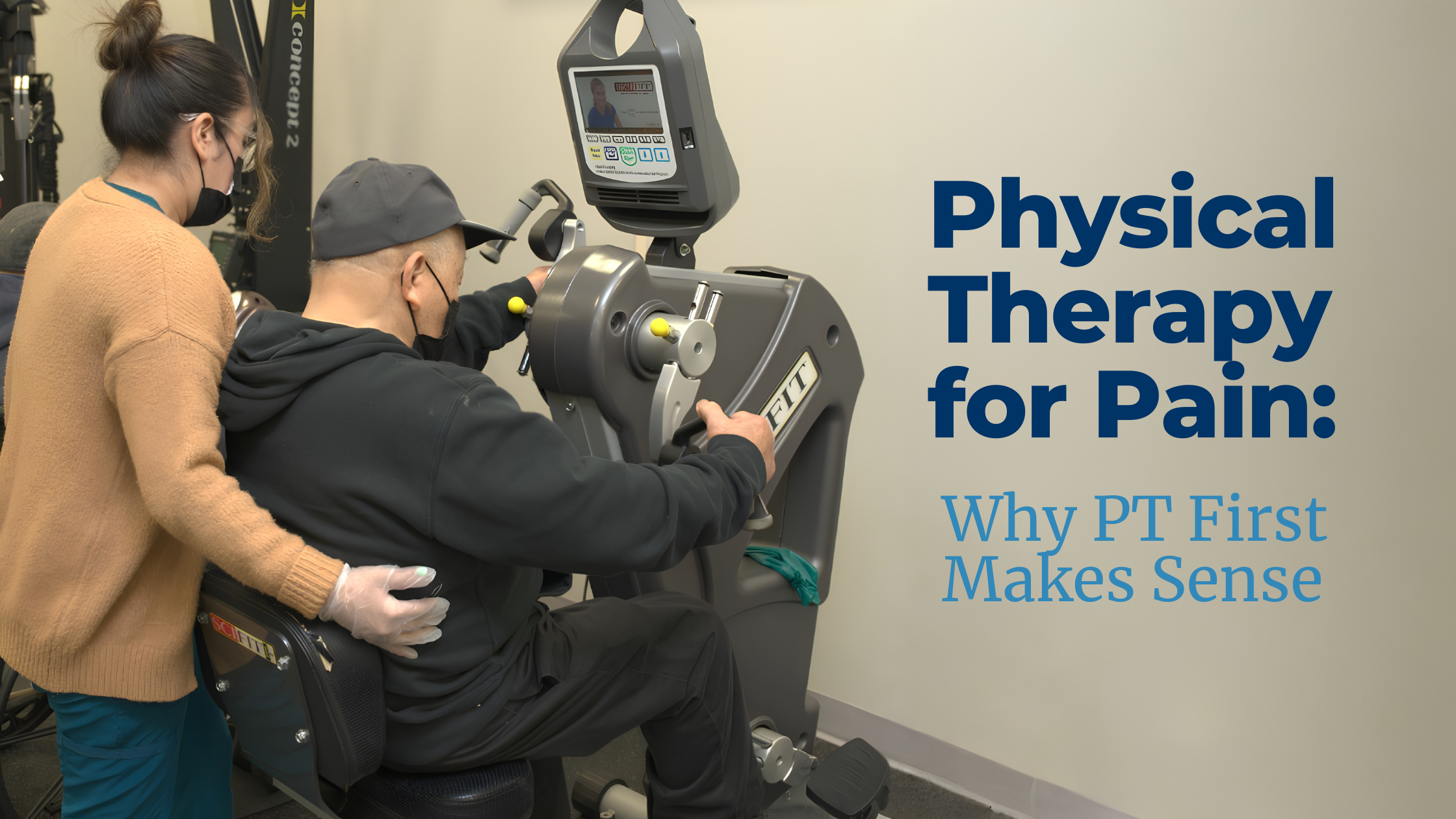
PT First: What National Physical Therapy Month Means for People Living With Pain
October is National Physical Therapy Month, a time to recognize how physical therapists help people move better and manage pain. It is also a good moment to rethink the usual order of care. For many common aches and injuries, physical therapy for pain can be an appropriate first step, sometimes before imaging, surgery, or long-term medication is considered.
This guide explains what a “PT first” approach means, how direct access works in New York, and how treatments such as shockwave therapy, TENS, and electrical stimulation may fit into a care plan.
About the 2025 Unsung Heroes List
City & State New York’s inaugural Unsung Heroes list, researched and written in partnership with journalist Lon Cohen, recognizes New Yorkers who are highly effective but operate largely under the radar — from nonprofit leaders to civic organizers and public servants who get things done behind the scenes. Read the full list →
What “PT First” Really Means
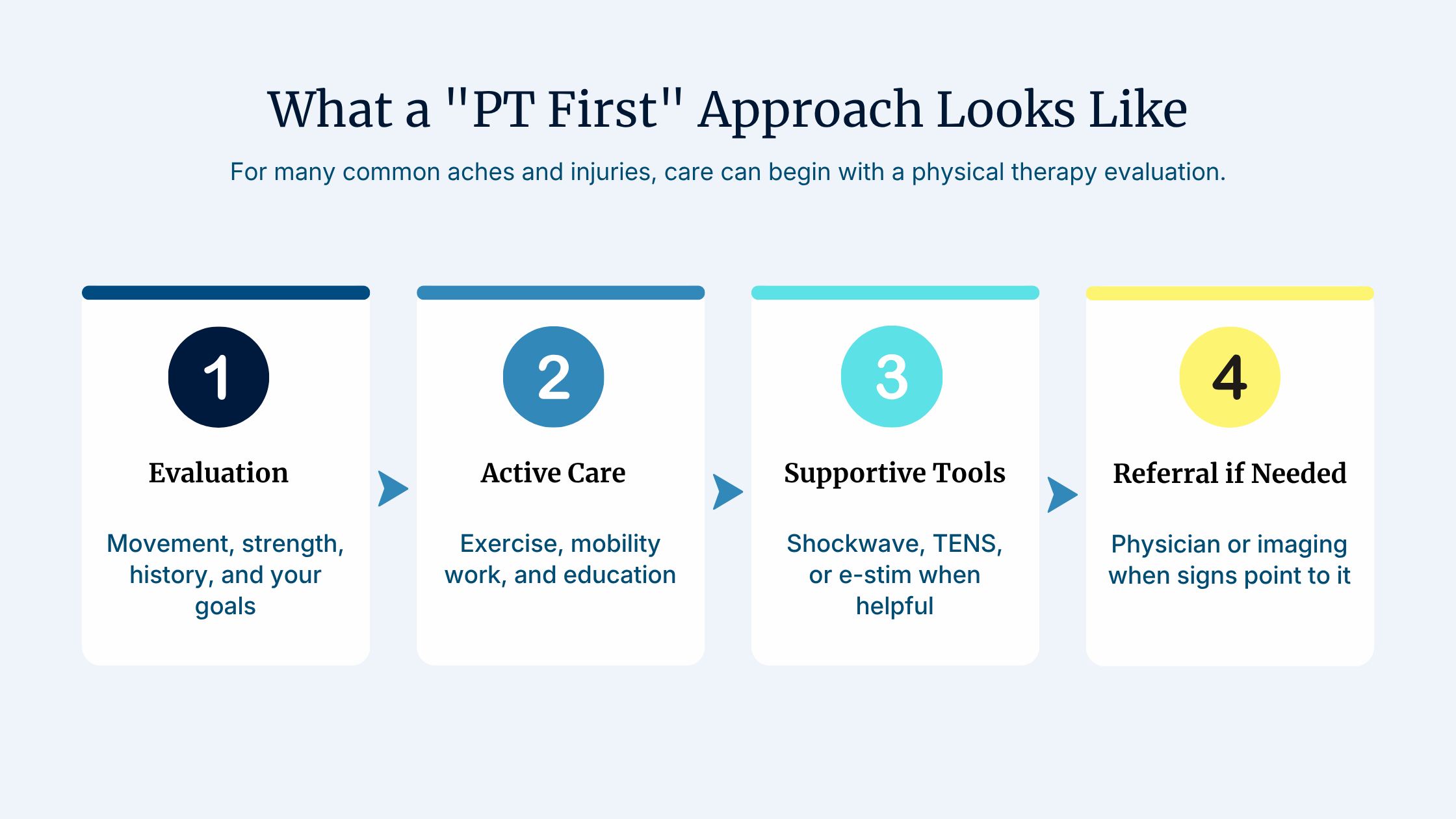
“PT first” does not mean skipping your doctor or ignoring other treatment. It means starting with a conservative, movement-based evaluation when that is appropriate, rather than waiting until other options have been tried.
Many back, neck, knee, and shoulder problems are commonly managed without surgery. A physical therapist looks at how you move, where strength or flexibility is limited, and which activities trigger symptoms, which helps guide treatment from the start.
If something else may be going on, the next step is a referral to a physician. A good evaluation includes recognizing when physical therapy is not the right fit.
Direct Access: You May Not Need a Referral to Start
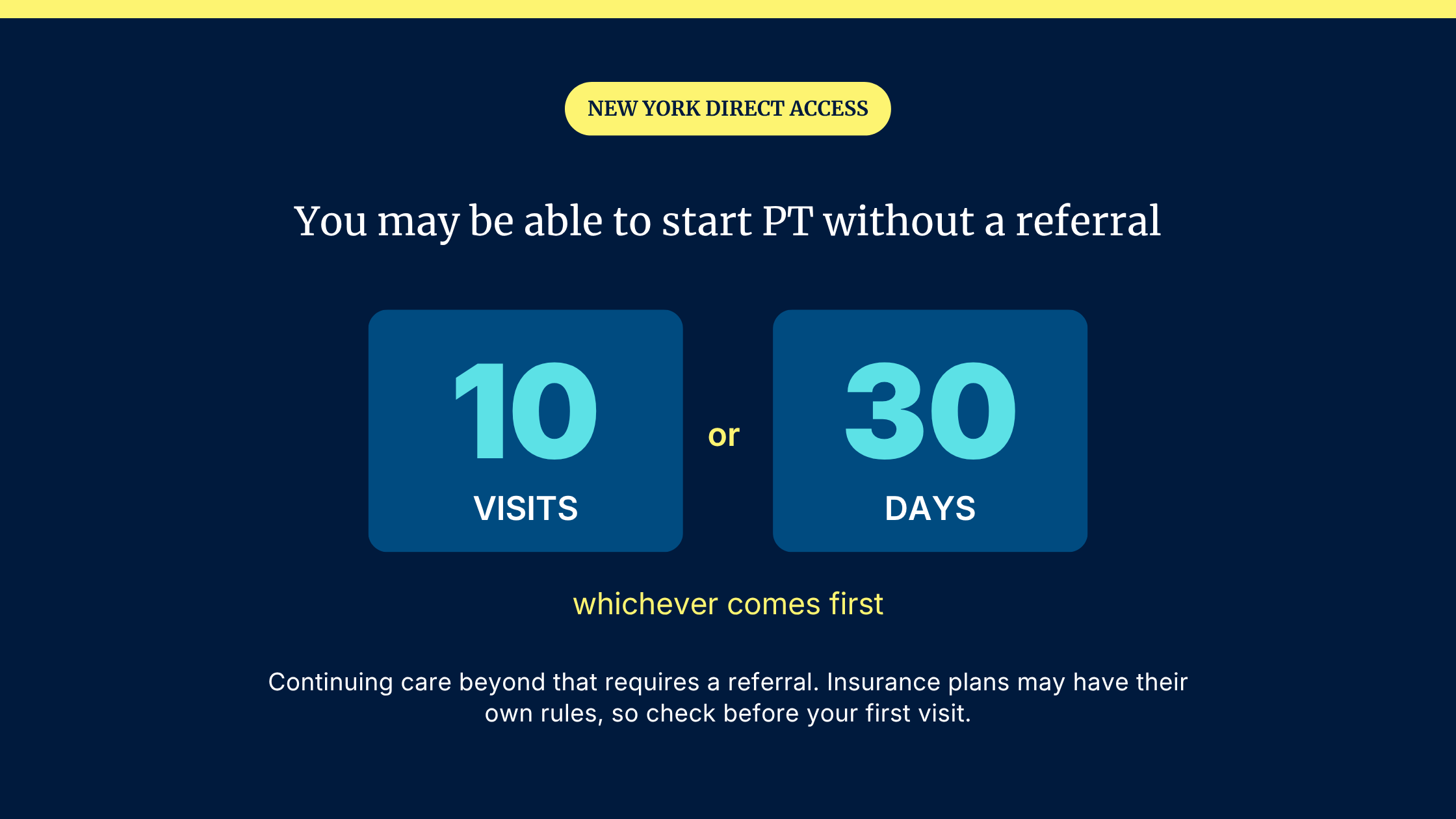
Direct access means a patient can be evaluated and treated by a licensed physical therapist without first getting a prescription from a physician. In New York, direct access allows treatment for up to 10 visits or 30 days, whichever comes first, when the physical therapist meets state requirements. If care needs to continue beyond that point, a referral from a physician or other authorized provider is required.
Insurance is a separate question. Some plans still require a referral or prior authorization for coverage, so it helps to check with your insurance provider or call the clinic before your first visit.
Why Starting With Physical Therapy Can Make Sense
Before imaging. X-rays and MRIs are valuable, but they do not always explain pain. For most low back pain without warning signs, clinical guidelines generally do not recommend routine early imaging, and findings such as disc bulges are common in people with no pain at all. Imaging can still be ordered when symptoms suggest it is needed.
Before surgery. Surgery is the right choice for some conditions. For many others, structured rehabilitation is a reasonable option to try first. If surgery does become necessary, building strength beforehand may support recovery after surgery.
Before relying on medication. Medication can help in the short term, but it does not address weakness, stiffness, or movement habits behind the problem. Current guidance encourages non-opioid approaches, including exercise and physical therapy, for many common pain conditions. Discuss any medication changes with your prescribing provider.
What Happens at a Physical Therapy Evaluation
Your first visit focuses on understanding your pain and how it affects your day. A physical therapist may:
- Ask when symptoms started, what makes them better or worse, and about your medical history
- Assess strength, flexibility, range of motion, balance, and posture
- Observe movements such as walking, bending, reaching, or climbing stairs
- Screen for warning signs that call for a physician referral
- Discuss your goals, such as returning to work, sleeping better, or walking comfortably
From there, the therapist builds a personalized plan. Progress is reviewed over time, and the plan is adjusted based on how you respond.
Physical Therapy: Active Care Comes First
For most people, long-term progress comes from active treatment. Physical therapy commonly includes therapeutic exercise, stretching, strengthening, movement retraining, hands-on techniques, and education about activity and posture. These help address the reasons pain may keep returning, not just the symptoms. If you are dealing with joint-specific issues, our guide to back, knee, and shoulder pain covers those areas in more detail.
Supportive treatments can help manage symptoms so you can exercise more comfortably. They are tools, not standalone fixes, and not every patient needs them. At Active Rockland, these may include the following.
Shockwave Therapy
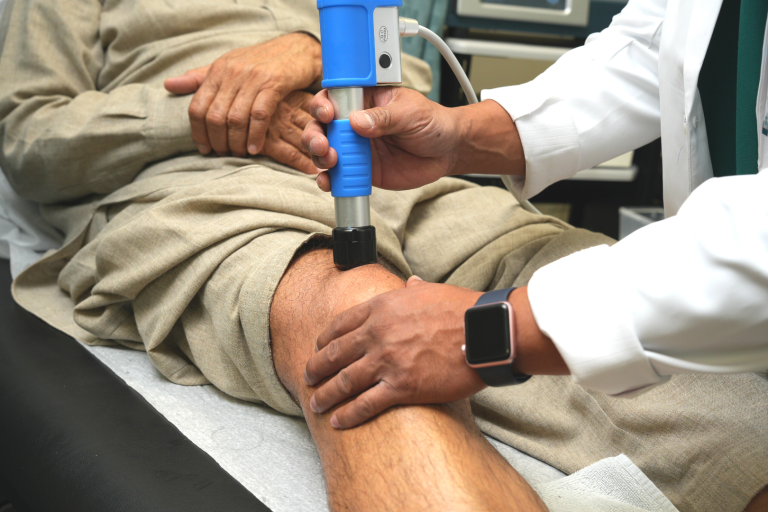
Shockwave therapy delivers acoustic pressure waves through the skin to targeted soft tissue. It is non-invasive and is most often used for persistent tendon and soft-tissue problems. Research supports its use for some conditions, such as plantar fasciitis and certain tendon disorders, though results vary. It is usually combined with exercise.
TENS (Transcutaneous Electrical Nerve Stimulation)
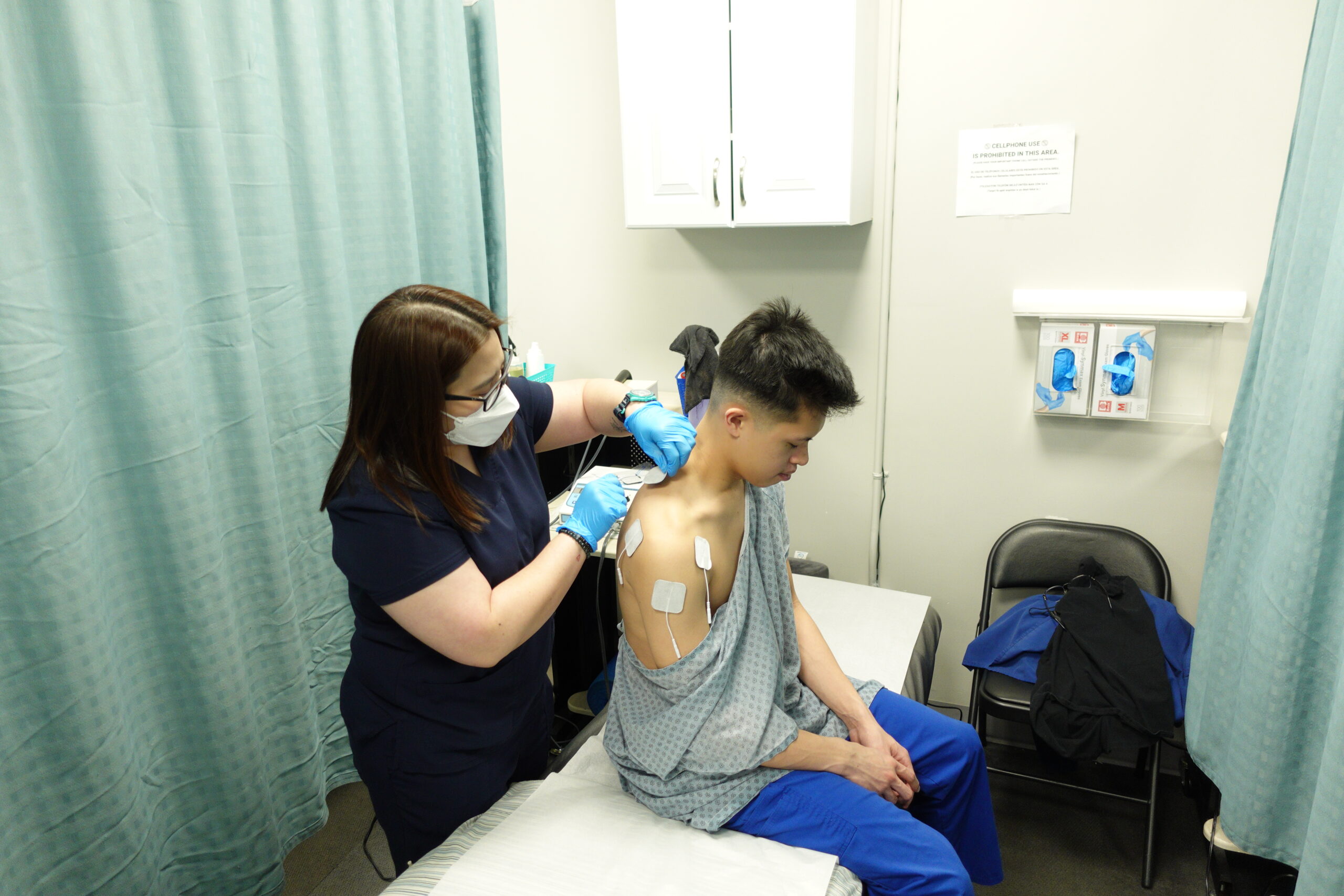
TENS delivers mild electrical pulses through small pads placed on the skin. Stimulating sensory nerves this way may reduce the perception of pain, and most people feel it as a gentle tingling. The effect is usually short-term, which can make it useful around activity or exercise. Let your therapist know if you have a pacemaker or other implanted device, are pregnant, or have other medical conditions.

E-Stim (Electrical Stimulation)
Electrical stimulation is a broader category of treatment. Some forms cause muscles to contract and may help with muscle activation and strength when a muscle has become weak or inhibited after injury or surgery. Other forms are used to help with pain or swelling. Your therapist chooses the type based on your condition and goals. Some patients also explore other supportive pain-management approaches alongside rehabilitation.
When to Seek Medical Care Right Away
Physical therapy is not the right first step for every situation. Seek prompt medical attention if you have:
- Severe pain after a fall, accident, or other significant injury
- New numbness, tingling, or weakness in the arms or legs
- Loss of bladder or bowel control
- Pain with unexplained fever or weight loss
- Chest pain, shortness of breath, or pain that is rapidly getting worse
Common Questions About Physical Therapy for Pain
Do I need a referral for physical therapy in New York?
Not always. New York allows direct access for a limited number of visits or days. However, your insurance plan may have its own referral requirements, so it is worth checking before you book.
Will physical therapy hurt?
Some exercises may feel challenging at first, but treatment should be adjusted to your comfort and ability. Let your therapist know how you feel during and after sessions so the plan can be modified.
Are shockwave therapy or TENS a cure for pain?
No treatment should be presented as a cure. These are supportive options that may help some patients as part of a broader plan focused on movement and function.
Conclusion
National Physical Therapy Month is a good reminder that you do not always have to wait to get help with pain. Starting with physical therapy for pain can provide a clear evaluation, an active plan, and a better understanding of when other care may be needed.
If pain is affecting your sleep, work, or daily routine, the team at Active Rockland in West Nyack and Haverstraw can help you understand your options. Call 845-354-7779 or book an appointment to ask about a physical therapy evaluation.
Book a Consultation
It’s easy and free!