

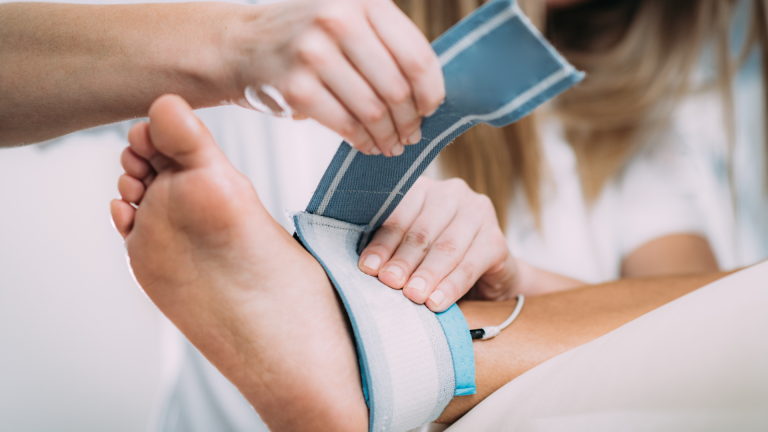
Foot Pain Can Affect Your Whole Body: How Podiatry and Physical Therapy Work Together
Foot pain and mobility are closely connected because every step begins with the way the feet contact and support the ground. When pain, stiffness, weakness, or poor foot mechanics change how someone walks, the effects may travel upward to the ankles, knees, hips, and lower back.
That does not mean every knee or back problem begins in the feet. It does mean persistent foot symptoms deserve attention, especially when they begin to change walking, balance, activity level, or confidence with movement. Podiatry and physical therapy can address different parts of the problem and, when appropriate, work together as part of a broader rehabilitation plan.
About the 2025 Unsung Heroes List
City & State New York’s inaugural Unsung Heroes list, researched and written in partnership with journalist Lon Cohen, recognizes New Yorkers who are highly effective but operate largely under the radar — from nonprofit leaders to civic organizers and public servants who get things done behind the scenes. Read the full list →
Why Foot Pain Can Change the Way the Whole Body Moves
The foot contains many joints, muscles, tendons, ligaments, and nerves that work together during standing and walking. When one area becomes painful, the body may adapt by shortening a step, shifting weight, or avoiding pressure through a tender area.
These compensations can redistribute stress through the lower body. Over time, a changed gait may contribute to fatigue, reduced balance, stiffness, or discomfort elsewhere.
Common foot problems that may affect movement
- Heel or arch pain, including plantar fasciitis
- Ankle pain, weakness, or instability
- Bunions or other structural changes that affect shoe comfort
- Tendon or overuse injuries
- Painful calluses, corns, or pressure points
- Age-related changes that affect balance or walking tolerance
The important question is not only “Where does it hurt?” but also “How has the pain changed the way you move?”
How Podiatry Supports Foot Pain and Mobility
A podiatry evaluation focuses on identifying conditions affecting the feet and ankles and determining why symptoms are occurring. This can include examining painful structures, foot position, skin or nail concerns, footwear, pressure distribution, and walking mechanics.
Depending on the findings, podiatric care may include activity guidance, footwear recommendations, orthotic support, or preventive strategies. For heel pain, plantar fasciitis, ankle instability, bunions, and overuse injuries, identifying the source is an important first step.
Podiatry can also help determine whether conservative care is appropriate or additional medical evaluation is needed, especially when pain persists, swelling is significant, or walking becomes difficult.
Where Physical Therapy Fits Into Foot and Lower-Body Recovery
While podiatry often focuses on the medical and mechanical issues affecting the foot and ankle, physical therapy looks closely at how those issues influence movement throughout the body. A physical therapist may assess strength, flexibility, joint mobility, balance, gait, and the ability to perform everyday activities safely.
For example, heel pain may lead someone to avoid pressure through one foot. Even after pain improves, an altered stride can remain. Rehabilitation can help restore strength, mobility, and a more natural gait.
Physical therapy may address more than the painful area
The feet function as part of a connected movement chain. Hip weakness, limited ankle mobility, poor balance, or reduced calf strength can influence how force travels through the legs.
A rehabilitation program may therefore include targeted strengthening, mobility work, balance exercises, gait training, and gradual return to activity. The goal is not simply to exercise the foot, but to improve the movement pattern that allows the whole lower body to work more efficiently.
When Podiatry and Physical Therapy May Work Together
Some patients need mainly podiatric care, while others benefit more from rehabilitation. In certain cases, both perspectives are useful because the cause of foot pain and the movement changes it creates may need attention together.
For example, a podiatrist may identify plantar fasciitis and recommend footwear or orthotic changes, while physical therapy addresses calf flexibility, foot and ankle strength, balance, and walking mechanics. Someone recovering from an ankle injury may need evaluation of the injured structures as well as progressive rehabilitation before returning to work, exercise, or sport.
This whole-body approach is similar to the principle described in integrated rehabilitation and full-body recovery: symptoms in one region can influence function elsewhere, so care is often most useful when it considers the complete movement pattern.
Signs Foot Pain Is Starting to Affect Your Movement
A mild ache after an unusually active day may settle with rest and activity modification. Evaluation becomes more important when symptoms persist or begin changing how you function.
- You limp, shorten your stride, or avoid putting weight on one side.
- Knee, hip, or back discomfort appeared after your walking pattern changed.
- You feel less steady on stairs or uneven surfaces.
- Foot or ankle pain repeatedly returns when activity increases.
- You have stopped walking, exercising, or participating in normal activities because of pain.
- You notice persistent swelling, weakness, numbness, or difficulty moving the foot or ankle.
Sudden severe pain, inability to bear weight, major swelling after an injury, an open wound, significant redness or warmth, or new numbness should be assessed promptly by an appropriate healthcare professional.
Improving Foot Pain and Mobility Is About Restoring Function
Treating foot pain is not only about easing a painful spot. Long-term recovery also means walking comfortably, maintaining balance, and returning to daily activities without repeatedly compensating around the problem.
Because the feet influence whole-body movement, early attention to persistent symptoms can limit unhelpful movement habits. A clear diagnosis and movement-focused rehabilitation can provide a more complete path back to function.
Frequently Asked Questions
Can foot pain really cause knee, hip, or back pain?
It can contribute in some cases. When foot pain changes gait or weight distribution, other joints and muscles may take on extra stress. A proper assessment is needed because pain in the knee, hip, or back can also have unrelated causes.
Should I see a podiatrist or a physical therapist first?
It depends on the symptoms. Persistent foot or ankle pain, structural changes, or orthotic concerns may point toward podiatry. Strength, balance, gait, or return-to-activity problems may also benefit from physical therapy. Some patients may benefit from both.
Do orthotics replace physical therapy?
Not necessarily. Orthotics may support alignment or redistribute pressure, while therapy can address strength, flexibility, balance, and movement control. The right combination depends on the assessment.
How long does foot rehabilitation take?
Recovery varies with the condition, symptom duration, activity demands, and overall health. Progress is usually more useful than following a fixed timeline.
Take Persistent Foot Pain Seriously
Foot pain may begin in a small area, but its effect on walking and balance can reach much further. If symptoms are persistent, recurring, or changing the way you move, an evaluation can help clarify whether the main issue is within the foot itself, the surrounding movement system, or both.
Learning more about podiatry and physical therapy can help you understand which type of support may fit your symptoms and recovery goals. The earlier the underlying problem and movement changes are understood, the easier it may be to build a practical plan for comfortable, confident movement.