Full-Body Recovery: How Integrated Therapy Supports HealingRecovery is not always about making one painful area feel better. An injury, illness, surgery, or long-term condition can also affect strength, balance, walking, sleep, confidence, and the ability to complete everyday tasks. A thoughtful approach to full-body recovery looks at these connected challenges rather than focusing only on …


Full-Body Recovery: How Integrated Therapy Supports Healing
Recovery is not always about making one painful area feel better. An injury, illness, surgery, or long-term condition can also affect strength, balance, walking, sleep, confidence, and the ability to complete everyday tasks. A thoughtful approach to full-body recovery looks at these connected challenges rather than focusing only on a single symptom.
At Active Rockland, services such as physical therapy, occupational therapy, podiatry, and acupuncture may support different parts of the recovery process. The right combination is based on an individual evaluation, medical needs, and personal goals not a one-size-fits-all program.
About the 2025 Unsung Heroes List
City & State New York’s inaugural Unsung Heroes list, researched and written in partnership with journalist Lon Cohen, recognizes New Yorkers who are highly effective but operate largely under the radar — from nonprofit leaders to civic organizers and public servants who get things done behind the scenes. Read the full list →
Why Recovery Often Involves More Than Pain Relief
Pain can be an important warning signal, but it does not always explain the full problem. A sore knee may change the way a person walks. Shoulder stiffness may make dressing difficult. Foot discomfort may reduce activity, which can lead to weakness and lower confidence.
For this reason, effective rehabilitation may address mobility, muscle performance, daily function, body mechanics, and symptom management together. The goal is not simply to reduce discomfort, but to help the patient return to meaningful activities as safely and independently as possible.
Physical Therapy: Restoring Movement, Strength, and Function
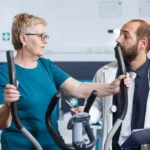
Active Rockland’s physical therapy services are designed to help patients recover movement and function following injury, illness, surgery, or physical limitation.
A physical therapist begins by evaluating how the body moves. This may include strength, flexibility, range of motion, balance, walking pattern, and the movements that increase or reduce symptoms.
How Physical Therapy May Support Full-Body Recovery
A personalized plan may include therapeutic exercise, hands-on techniques, movement retraining, balance activities, stretching, and education. These strategies can help patients gradually improve mobility, rebuild strength, manage pain, and return to work, recreation, or household activities.
Physical therapy may also address compensation patterns. For example, a person protecting an injured ankle may place extra stress on the knee, hip, or back. Identifying these patterns can help make recovery more complete and reduce unnecessary strain elsewhere in the body.
Occupational Therapy: Rebuilding Skills for Everyday Life
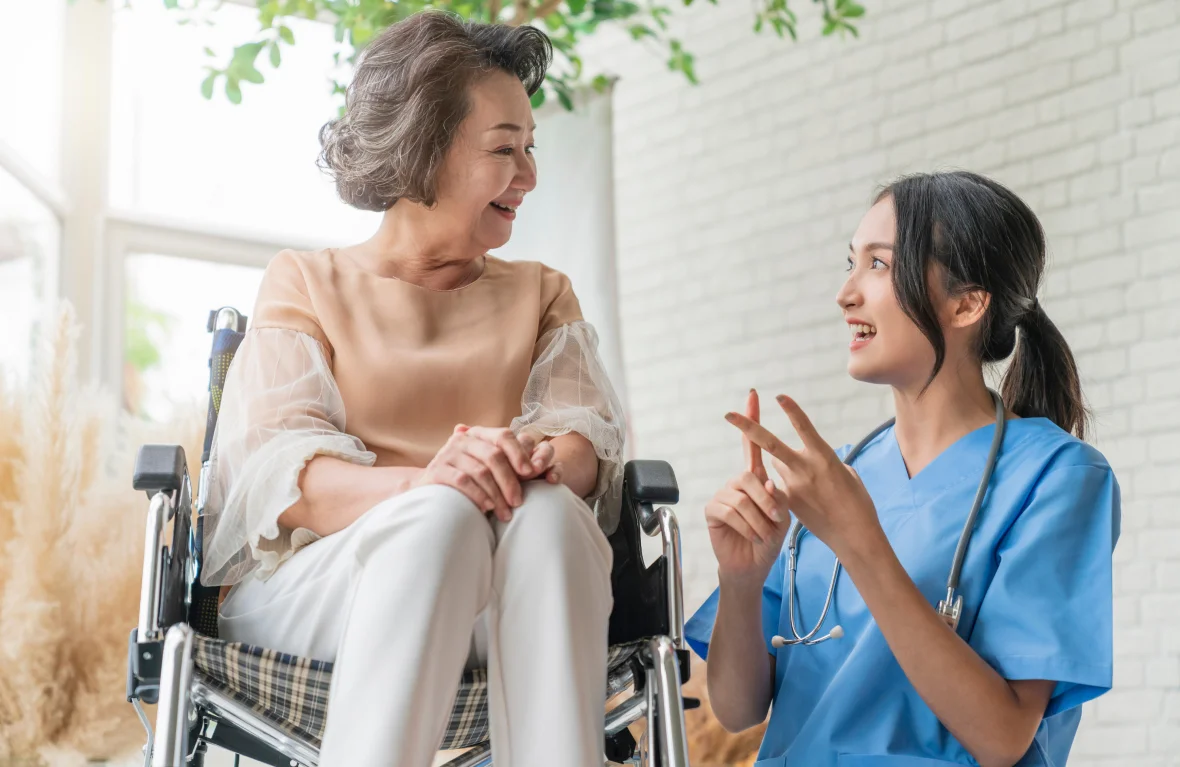
Through occupational therapy, patients can work on the practical skills and strategies needed to manage everyday activities with greater safety and independence.
While physical therapy often emphasizes movement and physical function, occupational therapy focuses closely on how recovery affects daily life. This can include dressing, bathing, cooking, writing, using a computer, returning to work, or managing routines at home.
Turning Physical Progress Into Practical Independence
An occupational therapist may break a difficult activity into manageable steps, teach safer ways to complete it, recommend adaptive strategies, or work on hand strength and fine motor control. The aim is to help the patient participate more fully in the activities that matter to them.
This support can be especially useful after surgery, stroke, neurological injury, hand injury, or a period of limited activity. Occupational therapy helps connect improvements made in rehabilitation to real-world independence and confidence.
Podiatry: Supporting the Foundation of Movement
Active Rockland’s podiatry services focus on conditions affecting the feet and ankles, with attention to comfort, stability, and long-term mobility.
The feet and ankles influence walking, balance, posture, and the way force moves through the legs. When foot pain or poor mechanics change a person’s gait, discomfort may also develop in the knees, hips, or lower back.
When Foot and Ankle Care Becomes Part of Recovery
Podiatric care may help identify conditions such as plantar fasciitis, heel pain, ankle instability, tendon problems, bunions, nail concerns, and overuse injuries. Depending on the findings, care may include activity guidance, footwear recommendations, orthotic support, preventive care, or coordination with rehabilitation services.
Addressing the feet can make it easier to walk comfortably and participate in prescribed exercises. For some patients, this provides an important foundation for improving mobility throughout the rest of the body.
Acupuncture: A Supportive Option for Pain and Tension
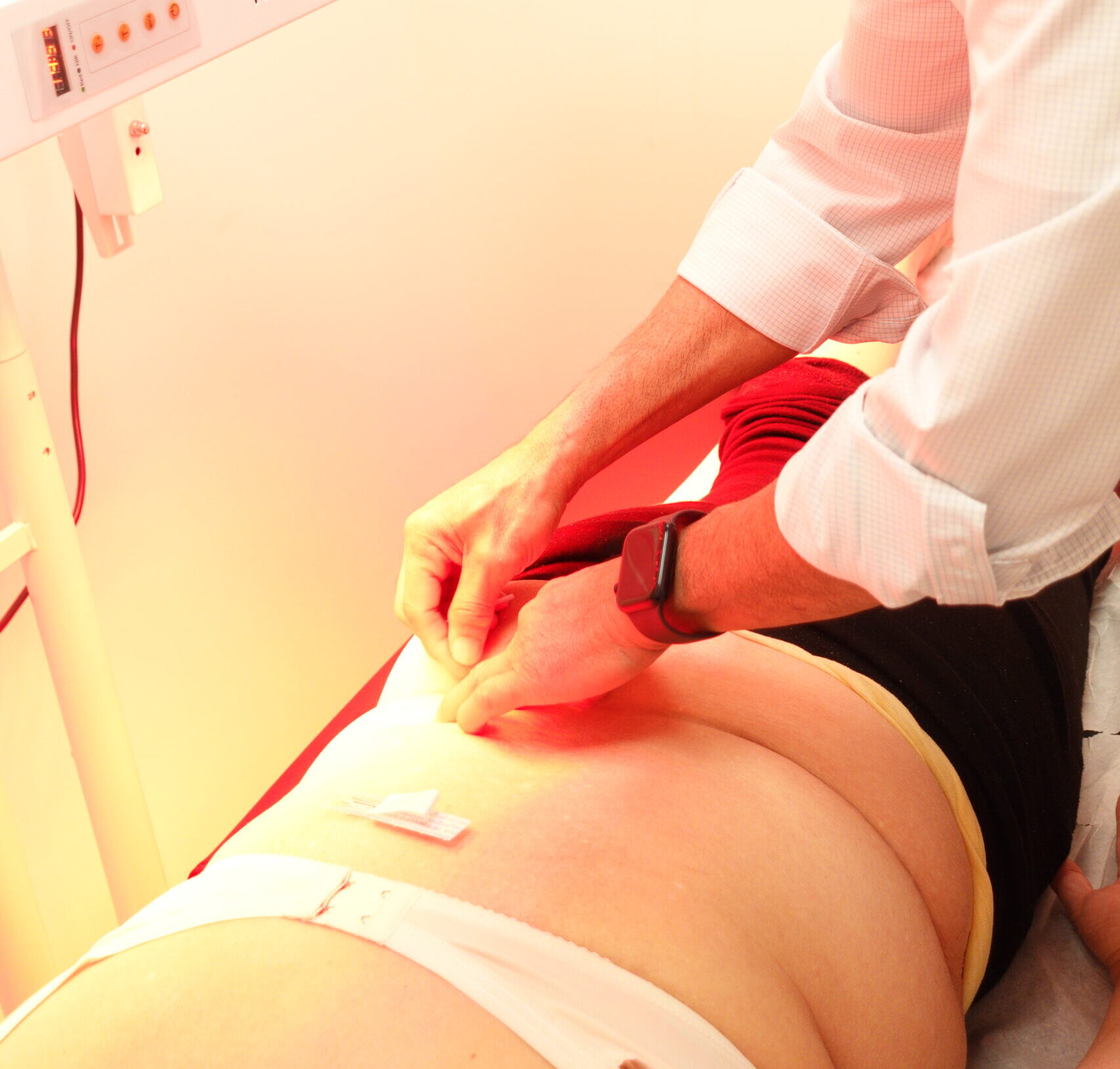
For appropriate patients, acupuncture with complimentary red light therapy may be considered alongside other rehabilitation and wellness services.
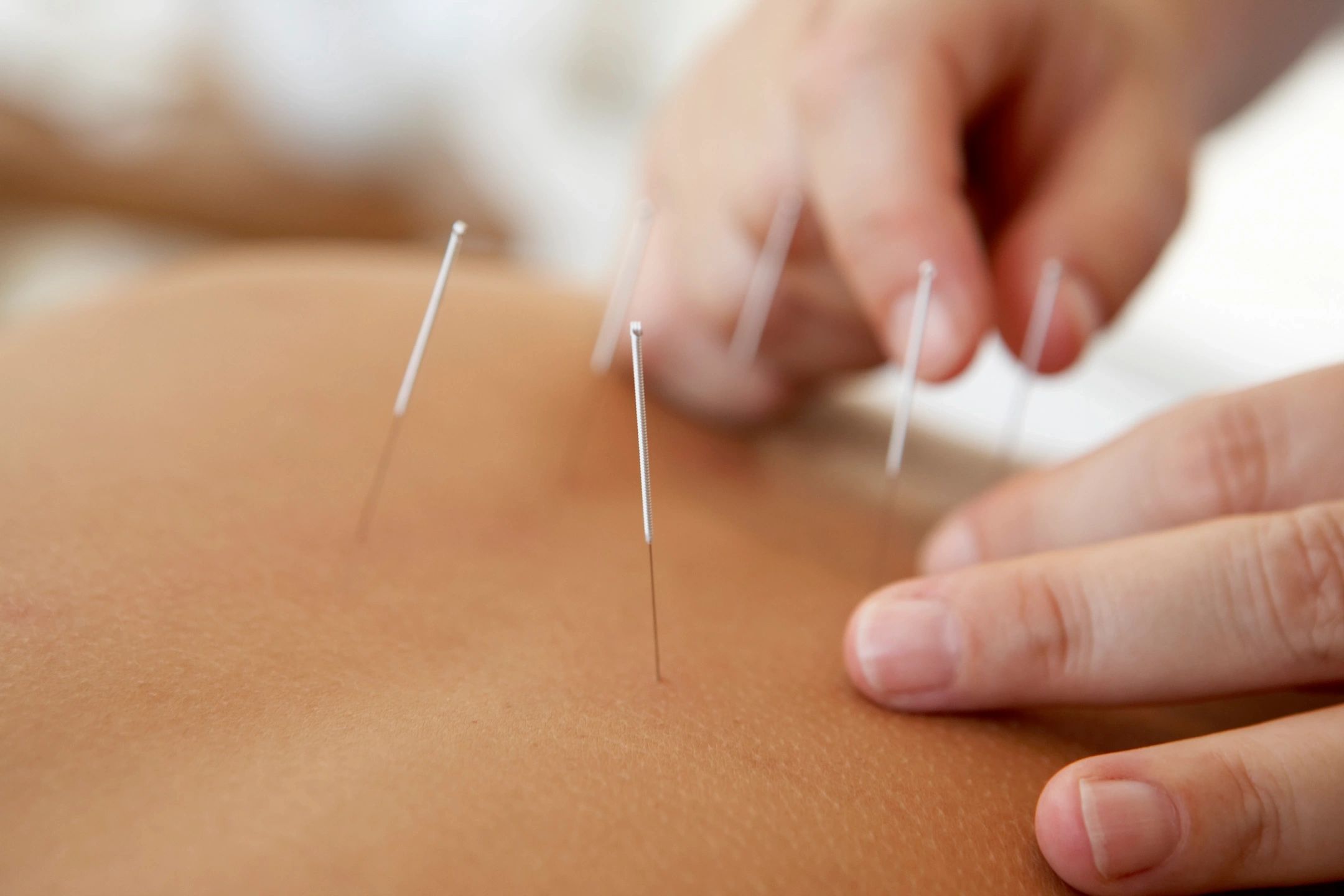
Acupuncture involves stimulating specific points on the body, most often with very thin needles. Research suggests that it may help some people manage certain types of pain, including chronic low-back pain, neck pain, and osteoarthritis-related knee pain, although results vary by person and condition.
How Acupuncture May Fit Into a Care Plan
Acupuncture may be considered as a supportive treatment when pain, muscle tension, or stress makes movement and daily activity harder. Symptom relief may help some patients participate more comfortably in exercise, therapy, and restorative routines.
It is not a replacement for medical evaluation or active rehabilitation when those are needed. Instead, it may be coordinated with other services as part of a broader plan based on the patient’s health history, preferences, and response to care.
How These Services Can Work Together
Full-body recovery does not mean every patient receives every treatment. It means the care team considers how different areas of health and function affect one another.
- Physical therapy may improve movement, strength, balance, and physical capacity.
- Occupational therapy may help translate those gains into safer, more independent daily activities.
- Podiatry may address foot and ankle problems that affect walking mechanics and participation.
- Acupuncture may offer additional support for selected pain or tension concerns.
Communication between providers can help keep treatment goals aligned. A patient recovering from lower-limb surgery, for example, may need mobility training, help returning to daily routines, and evaluation of foot mechanics. The care plan should be adjusted as function improves and priorities change.
What a Personalized Recovery Plan May Include
Care usually begins with an evaluation and a discussion of the patient’s symptoms, limitations, health history, and goals. The team can then determine which services are appropriate and establish realistic steps for progress.
- A clear explanation of the factors affecting movement or daily function.
- Measurable goals based on meaningful activities.
- A gradual plan that respects healing and current ability.
- Education and home strategies that support progress between visits.
- Regular reassessment so the plan can change when needed.
Progress may not be perfectly linear. Temporary soreness, fatigue, fear of movement, or changes in routine can affect recovery. Ongoing communication helps the care team respond safely and keep the plan practical.
Take the Next Step Toward Full-Body Recovery
Recovery can feel more manageable when care looks beyond the site of pain and considers how the whole person moves, functions, and participates in daily life. Physical therapy, occupational therapy, podiatry, and acupuncture may each contribute a different kind of support within an individualized plan.
To learn which services may be appropriate for your needs, contact Active Rockland or call 845-354-7779 to discuss an evaluation and a personalized path forward.
Book a Consultation
It’s easy and free!