
Back, Knee, and Shoulder Pain: When Physical Therapy HelpsBack, knee, and shoulder pain can make everyday movement feel uncertain. Walking, climbing stairs, reaching overhead, lifting groceries, or sitting through the workday may become uncomfortable—and avoiding these activities can gradually lead to more stiffness and weakness.Physical therapy for back, knee, and shoulder pain focuses on finding …


Back, Knee, and Shoulder Pain: When Physical Therapy Helps
Back, knee, and shoulder pain can make everyday movement feel uncertain. Walking, climbing stairs, reaching overhead, lifting groceries, or sitting through the workday may become uncomfortable—and avoiding these activities can gradually lead to more stiffness and weakness.
Physical therapy for back, knee, and shoulder pain focuses on finding the movement-related factors behind symptoms and building a safe path from injury to recovery. Depending on the evaluation, care may include exercise, hands-on techniques, stretching, education, and supportive options such as Shockwave Therapy or TENS.
About the 2025 Unsung Heroes List
City & State New York’s inaugural Unsung Heroes list, researched and written in partnership with journalist Lon Cohen, recognizes New Yorkers who are highly effective but operate largely under the radar — from nonprofit leaders to civic organizers and public servants who get things done behind the scenes. Read the full list →
Pain Is a Symptom, Not a Complete Diagnosis
Pain can come from irritated joints, muscles, tendons, ligaments, nerves, or surrounding tissues. It may follow a sudden injury, develop through repetitive strain, or appear when the body is asked to do more than it is currently prepared to handle.
The location and intensity of pain matter, but so do strength, flexibility, balance, posture, movement habits, and daily demands. A physical therapy assessment helps connect these pieces so treatment can address function rather than only chasing the painful spot.
When Physical Therapy Can Help With Back Pain
Back pain may begin after lifting, twisting, a fall, prolonged sitting, or a gradual change in activity. Some people feel a localized ache or stiffness, while others notice pain that travels toward the hip or leg.
Signs that an evaluation may be useful
- Pain keeps returning or lasts longer than expected.
- Sitting, standing, bending, sleeping, or walking has become difficult.
- You feel stiff after rest or weak during lifting and daily tasks.
- Fear of triggering pain is causing you to avoid normal movement.
A physical therapy rehabilitation plan may work on trunk and hip strength, spinal and lower-body mobility, lifting mechanics, posture, and gradual activity progression. The goal is not simply to perform exercises; it is to make movement feel safer and more manageable in daily life.
When Physical Therapy Can Help With Knee Pain
Knee pain can affect people of all ages. It may develop after a sports injury, a sudden increase in walking or exercise, repetitive stairs, arthritis-related changes, or weakness around the hips and legs.
Common problems that deserve attention
- Pain during stairs, squatting, standing up, walking, or running.
- Swelling, stiffness, or reduced ability to bend or straighten the knee.
- A feeling that the knee may buckle or cannot support your weight confidently.
- Difficulty returning to work, exercise, or recreation after an injury.
Physical therapy often looks beyond the knee itself. Hip strength, ankle mobility, foot position, balance, and movement technique can all influence how force travels through the joint. Treatment may combine mobility work, progressive strengthening, balance training, and guidance on how to increase activity without repeatedly aggravating symptoms.
When Physical Therapy Can Help With Shoulder Pain
The shoulder depends on coordinated movement between the arm, shoulder blade, upper back, and surrounding muscles. Pain may appear after a fall or lifting injury, but it can also build gradually through repetitive reaching, computer work, sports, or sleeping positions.
Physical therapy may be appropriate when
- Reaching overhead, behind your back, or across your body is painful.
- You have trouble dressing, washing your hair, carrying objects, or sleeping comfortably.
- The shoulder feels weak, stiff, unstable, or limited after injury or surgery.
- Symptoms improve briefly with rest but return when normal activity resumes.
Rehabilitation may focus on restoring comfortable range of motion, improving shoulder-blade control, rebuilding rotator cuff and upper-body strength, and modifying activities during recovery. Progress is usually gradual, with exercises adjusted according to symptoms and function.
What Physical Therapy Looks Like From Injury to Recovery
A useful rehabilitation plan starts with an evaluation of symptoms, medical history, movement, strength, flexibility, and functional limitations. From there, goals are based on what the patient needs to do—whether that means walking without limping, returning to work, lifting a child, or getting back to a favorite activity.
Early stage: calm symptoms and protect movement
In the early stage, treatment may emphasize comfortable motion, activity modification, gentle strengthening, and strategies for managing pain. Complete rest is not always necessary, but the right amount of movement depends on the injury and should be guided by the evaluation.
Middle stage: rebuild mobility and strength
As symptoms become more manageable, exercises can progress to improve range of motion, muscle endurance, balance, and control. The program should become increasingly connected to real tasks, such as stairs, lifting, reaching, or prolonged standing.
Later stage: return to independence
The later stage prepares the body for normal demands with more challenging, task-specific activity. Education about pacing, home exercises, and warning signs can help patients manage future flare-ups and continue building confidence after formal rehabilitation ends.
How Supportive Treatments May Fit Into the Plan
Shockwave Therapy
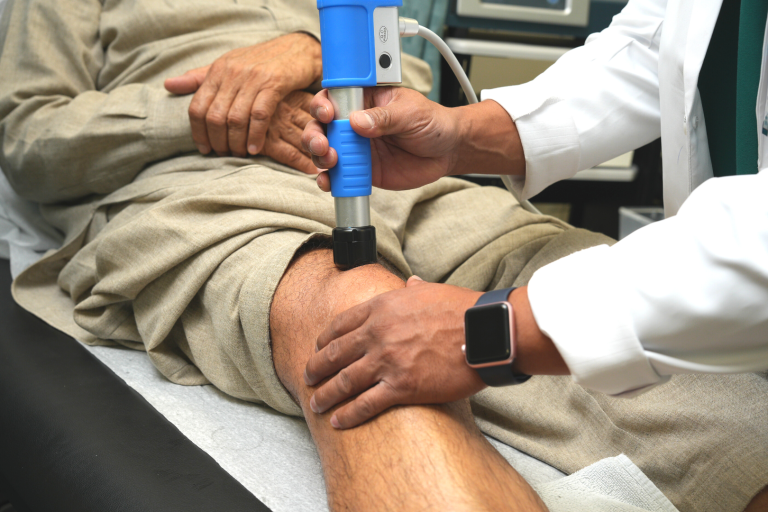
Shockwave Therapy uses externally applied acoustic waves and may be considered for certain persistent musculoskeletal or tendon-related conditions. It is not appropriate for every type of pain, so the decision should follow an assessment and remain part of a broader rehabilitation program.
TENS
Transcutaneous Electrical Nerve Stimulation (TENS) delivers mild electrical impulses through pads placed on the skin. It may provide temporary pain relief for some patients, making movement or therapeutic exercise more tolerable, but it does not replace the work of restoring strength and function.
Stretching
Stretching and passive range-of-motion techniques can improve flexibility and reduce the feeling of stiffness when limited tissue mobility contributes to symptoms. The most helpful stretches are selected for the individual problem and performed with appropriate intensity; forcing a painful stretch can irritate healing tissue rather than help it.
When Pain Needs Medical Attention First
Physical therapy is appropriate for many musculoskeletal concerns, but some symptoms require prompt medical evaluation. Seek urgent care for severe pain after major trauma, a visibly deformed joint, inability to bear weight, sudden significant weakness, loss of bladder or bowel control, numbness around the groin, chest pain, or symptoms of a stroke.
Also speak with a medical professional when pain is accompanied by fever, unexplained weight loss, worsening night pain, or other unusual symptoms. Identifying the right starting point is an important part of safe recovery.
Frequently Asked Questions
Do I need to wait until the pain is severe?
No. An earlier assessment may help identify movement problems before pain causes major weakness, stiffness, or activity avoidance. Persistent or recurring symptoms are reasonable reasons to seek guidance.
Will physical therapy be painful?
Some exercises may feel challenging, but treatment should be adjusted to your condition and tolerance. Communicating how symptoms respond during and after activity helps the therapist choose an appropriate level of difficulty.
How long does recovery take?
Recovery time varies according to the diagnosis, severity, duration of symptoms, overall health, and consistency with the plan. Progress is better measured by changes in movement and daily function than by a fixed timeline.
Move Toward Recovery With a Clear Plan
Back, knee, and shoulder pain do not always improve through rest alone. When symptoms limit movement, return repeatedly, or create weakness and uncertainty, a structured rehabilitation plan can help clarify what is happening and what to do next.
Learning more about available physical therapy treatment options or scheduling an evaluation can be a practical first step toward moving with less pain, rebuilding strength, and returning to daily activities with greater confidence.
Book a Consultation
It’s easy and free!