
Physical Therapy for Better Movement and RecoveryPain, stiffness, weakness, or an injury can change the way a person moves through everyday life. Simple tasks such as walking, climbing stairs, reaching overhead, exercising, or returning to work may begin to feel difficult or uncertain. Physical therapy for better movement focuses on understanding what is limiting the …


Physical Therapy for Better Movement and Recovery
Pain, stiffness, weakness, or an injury can change the way a person moves through everyday life. Simple tasks such as walking, climbing stairs, reaching overhead, exercising, or returning to work may begin to feel difficult or uncertain. Physical therapy for better movement focuses on understanding what is limiting the body and creating a safe, practical plan to improve function.
A physical therapist does more than treat the area that hurts. The therapist looks at strength, flexibility, balance, posture, joint mobility, and movement patterns to identify factors that may be contributing to the problem. Treatment is then adjusted to the patient’s condition, goals, comfort level, and stage of recovery.
About the 2025 Unsung Heroes List
City & State New York’s inaugural Unsung Heroes list, researched and written in partnership with journalist Lon Cohen, recognizes New Yorkers who are highly effective but operate largely under the radar — from nonprofit leaders to civic organizers and public servants who get things done behind the scenes. Read the full list →
How Physical Therapy Helps the Body Recover
Physical therapy uses guided movement, therapeutic exercise, education, and hands-on techniques to help the body function more efficiently. The goal is not simply to provide short-term relief. It is to help patients understand their condition, rebuild physical capacity, and develop strategies that support long-term progress.
Improving Mobility and Range of Motion
When joints become stiff or muscles become tight, the body often compensates by moving differently. This may place extra stress on nearby areas. A therapist may use gentle mobility work, stretching, joint techniques and movement practice to help restore a more comfortable range of motion. Better mobility can make daily activities feel smoother and reduce the effort required to complete them.
Reducing Pain Through Active Care
Pain may be influenced by irritated tissues, muscle tension, weakness, reduced movement, or repeated strain. Physical therapy can help by gradually reintroducing safe movement and improving how the body handles load. Patients also learn which activities may be contributing to symptoms and how to modify them without becoming unnecessarily inactive.
Rebuilding Strength and Stability
Injury, surgery, illness, or long periods of reduced activity can lead to weakness. A personalized strengthening program helps the muscles support the joints and perform everyday tasks more effectively. Exercises usually progress from simple, controlled movements to more functional activities such as lifting, stepping, balancing, or returning to work and recreation.
Building Confidence Through Gradual Progress
Recovery is not only physical. After pain or injury, many people become worried about moving the affected area or causing further harm. This fear can lead to guarded movement and reduced activity, which may contribute to additional weakness and stiffness.
A structured physical therapy plan provides guidance and measurable steps. Patients can see how their strength, balance, mobility, and tolerance are changing over time. Learning what movement is safe and how to respond to temporary soreness or flare-ups can make recovery feel more manageable.
What a Personalized Physical Therapy Plan May Include
No two patients have the same symptoms, medical history, or recovery goals. An initial evaluation helps the therapist determine which approaches are appropriate. Depending on the findings, a care plan may include:
- Therapeutic exercises for strength, flexibility, endurance, balance, or coordination
- Hands-on techniques to address joint or soft-tissue restrictions
- Movement retraining for walking, posture, lifting, sports, or daily activities
- Education about activity modification, pacing, and symptom management
- A home exercise program that supports progress between visits
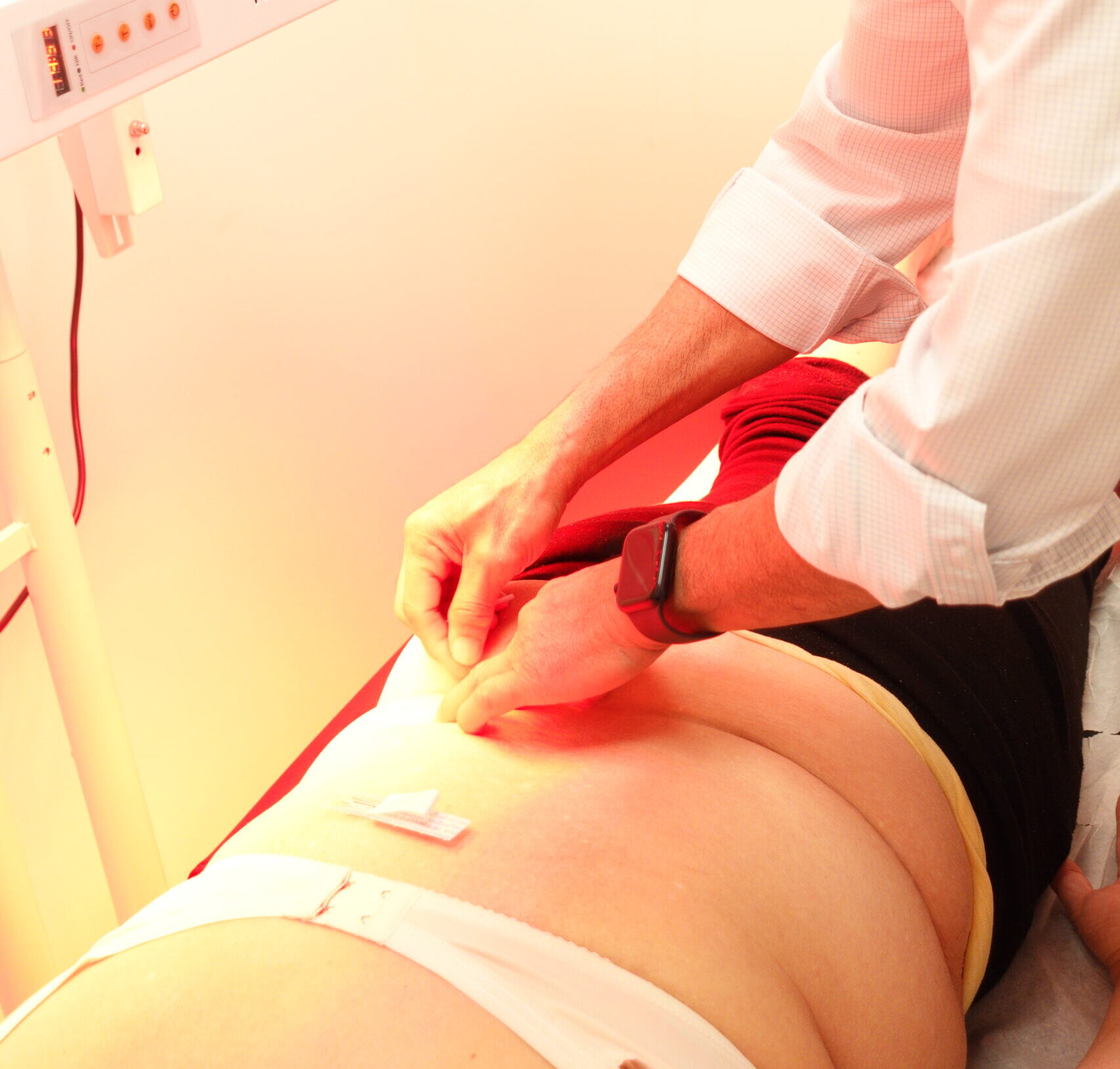
- Supportive treatments such as Shockwave Therapy, TENS, or E-Stim when clinically appropriate
Supportive treatments are not a replacement for active rehabilitation. They may be used to help manage symptoms or prepare the body for exercise, while movement and strengthening address the functional goals of recovery.
How Supportive Treatments May Fit into Care
Shockwave Therapy
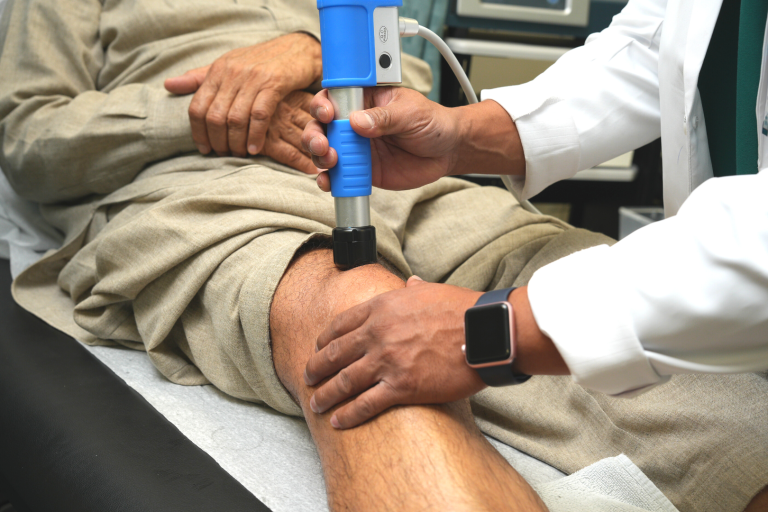
Shockwave Therapy is a non-invasive treatment that delivers controlled acoustic waves to a targeted area. It may be considered for certain musculoskeletal problems, particularly some ongoing tendon or soft-tissue conditions. The purpose is to stimulate a local tissue response and support the rehabilitation process.
Not every type of pain is suitable for Shockwave Therapy. A physical therapist or qualified healthcare professional should first evaluate the condition, review medical history, and determine whether the treatment
is appropriate. When used, it is commonly combined with exercise, mobility work, and gradual loading rather than provided as a stand-alone solution.
TENS for Pain Management
Transcutaneous Electrical Nerve Stimulation, commonly called TENS, uses low-level electrical impulses delivered through electrodes placed on the skin. It may help some patients manage pain during treatment or daily activities. The sensation is usually described as tingling and should remain comfortable.
TENS may provide temporary symptom relief, but it does not correct weakness, stiffness, or movement problems by itself. A therapist can explain how it fits into the broader plan and whether it is safe based on the patient’s health history.
E-Stim for Muscle Activation and Rehabilitation
Electrical stimulation, or E-Stim, may be used to help activate muscles that are difficult to contract after injury, surgery, or neurological changes. Electrodes placed on the skin deliver controlled impulses that create or support a muscle contraction. This can be useful when rebuilding muscle awareness and strength under professional supervision.
E-Stim may also be used for selected pain or swelling concerns, depending on the treatment settings and clinical goal. Because electrical stimulation is not appropriate for everyone, the therapist should screen for precautions and explain what the patient can expect.
What to Expect During Physical Therapy
The first visit usually begins with a conversation about symptoms, medical history, daily challenges, and personal goals. The therapist may then assess movement, strength, range of motion, balance, walking, posture, or task-specific activities.
After the evaluation, the therapist explains the findings in clear language and outlines recommended next steps. Progress is monitored throughout care, and the plan is adjusted as the patient improves or as new needs become clear. Patients are encouraged to ask questions and take an active role in decisions about their recovery.
Frequently Asked Questions
Does physical therapy have to be painful?
Physical therapy may involve effort, stretching, or temporary muscle soreness, but treatment should not feel uncontrolled or unsafe. Patients should communicate changes in symptoms so the therapist can modify the intensity or technique.
How long does physical therapy take?
The timeline depends on the condition, how long symptoms have been present, overall health, treatment consistency, and personal goals. Some patients improve within a few visits, while others need a longer rehabilitation program.
Are Shockwave Therapy, TENS, and E-Stim used for every patient?
No. These treatments are selected only when they match the patient’s condition and goals. Many care plans focus mainly on exercise, education, and movement training, while others may include one or more supportive modalities.
Can physical therapy help with an old injury?
In many cases, physical therapy can still help improve strength, mobility, movement habits, and activity tolerance even when an injury is not recent. An evaluation can identify which limitations may still be changeable.
Move Forward with a Plan Built Around You
Physical therapy for better movement can help patients reduce limitations, rebuild strength, and return to meaningful activities with greater confidence. The most effective plan is one that responds to the individual, not only the diagnosis, and progresses at a safe, realistic pace.
At Active Rockland, physical therapy may include therapeutic exercise, hands-on care, movement education, and supportive options such as Shockwave Therapy, TENS, or E-Stim when appropriate. To learn which approach may fit your needs, contact the Active Rockland team or book an initial evaluation.
Book a Consultation
It’s easy and free!