
From Injury to Independence: A Complete Rehabilitation GuideRecovery after an injury is rarely one straight path. Pain may improve before strength returns, movement may feel uncertain, and everyday tasks can remain difficult even after the original injury has begun to heal.A structured plan for rehabilitation after injury helps connect each stage of recovery. The goal …


From Injury to Independence: A Complete Rehabilitation Guide
Recovery after an injury is rarely one straight path. Pain may improve before strength returns, movement may feel uncertain, and everyday tasks can remain difficult even after the original injury has begun to heal.
A structured plan for rehabilitation after injury helps connect each stage of recovery. The goal is not only to reduce symptoms, but also to restore movement, rebuild useful strength, and help a person return to daily life with greater confidence and independence.
About the 2025 Unsung Heroes List
City & State New York’s inaugural Unsung Heroes list, researched and written in partnership with journalist Lon Cohen, recognizes New Yorkers who are highly effective but operate largely under the radar — from nonprofit leaders to civic organizers and public servants who get things done behind the scenes. Read the full list →
Rehabilitation Begins With Understanding the Injury
Every recovery plan should begin with an evaluation of what has changed. A clinician may look at pain, swelling, joint motion, muscle strength, balance, walking, coordination, endurance, and the activities that are currently difficult.
This assessment creates a starting point and helps distinguish between symptoms that need protection, movement that can be safely introduced, and abilities that may require gradual retraining. Personal goals also matter, whether the priority is returning to work, climbing stairs, caring for family, playing a sport, or moving independently at home.
Stage 1: Reducing Pain and Restoring Safe Movement
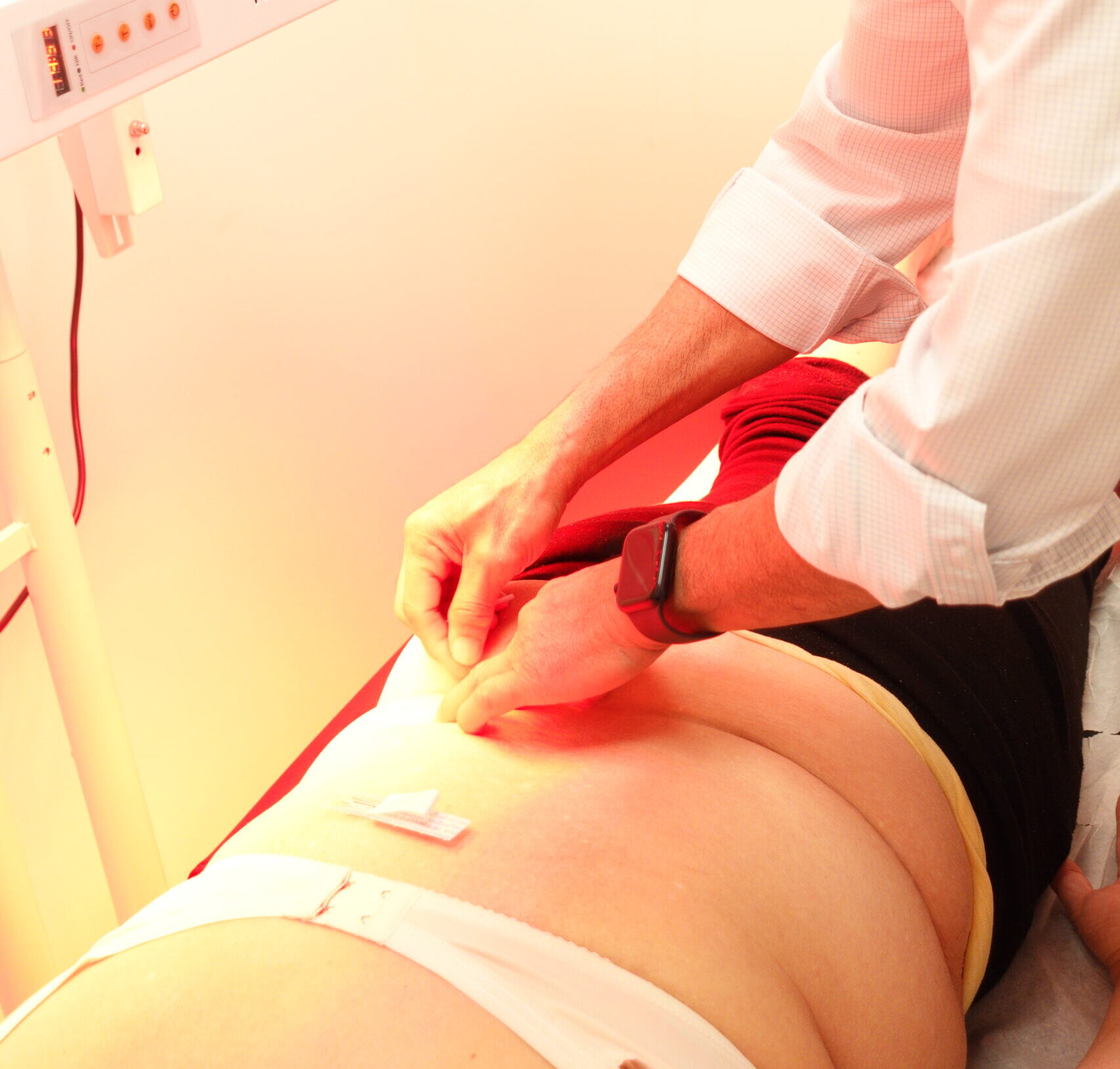
Early rehabilitation often focuses on calming symptoms and preventing unnecessary loss of movement. Complete rest is not always the best solution because prolonged inactivity can contribute to stiffness, weakness, and reduced confidence.
A carefully paced program may include gentle mobility exercises, positioning advice, education about safe activity, and strategies for managing swelling or discomfort. The amount and type of movement depend on the injury, medical guidance, and the person’s tolerance.
How Physical Therapy Supports Early Recovery
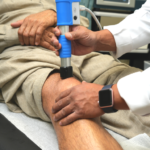
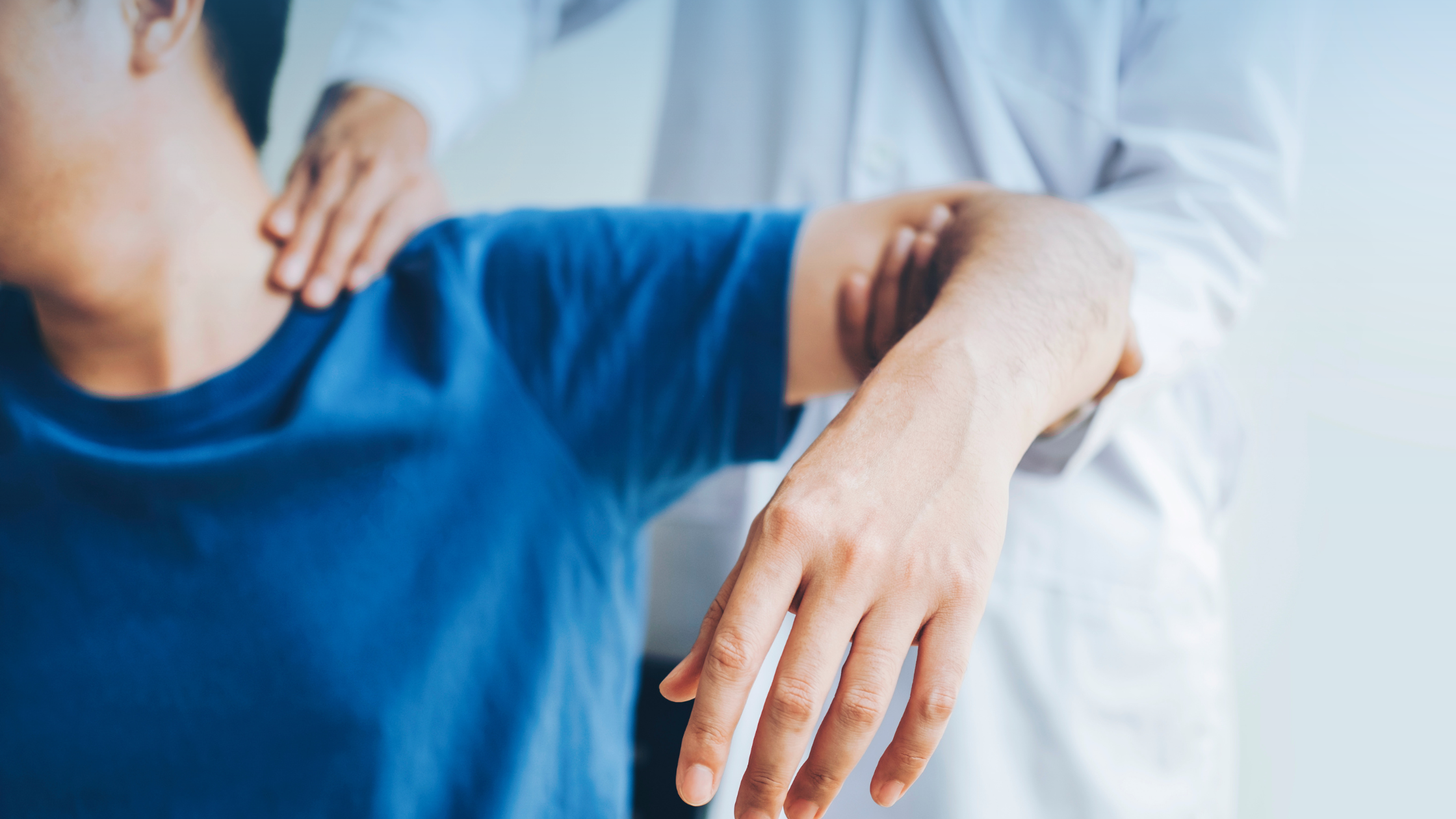
Physical therapists evaluate how the body moves and identify limitations that may affect walking, balance, posture, joint mobility, or strength. Treatment can help patients restore movement safely while avoiding compensation patterns that place extra strain on other areas.
Through individualized physical therapy plans, exercises are progressed based on function rather than a fixed timeline. This makes it possible to address pain while also preparing the body for the demands of daily activity.
Stage 2: Rebuilding Strength, Balance, and Endurance
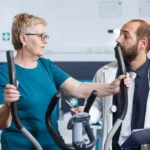
As pain and movement improve, rehabilitation usually becomes more active. Muscles that were protected after an injury may need gradual strengthening, while balance and endurance may need to be rebuilt after a period of reduced activity.
Therapeutic exercise can target the muscles needed for standing, walking, reaching, lifting, changing direction, and maintaining posture. Progress is usually made by increasing resistance, repetitions, duration, complexity, or the similarity between an exercise and a real-life task.
Why Confidence Is Part of Physical Recovery
After a fall, surgery, painful injury, or long period of limited movement, people may hesitate even when their tissues are healing. Fear of pain or reinjury can lead to guarded movement and avoidance of activities that are important for recovery.
Practicing movements in a controlled setting helps the body and brain relearn what is safe. Small, measurable improvements—such as standing longer, walking farther, or using stairs with less support—can rebuild trust in movement over time.
Stage 3: Returning to Everyday Activities
Recovery is not complete simply because a joint moves farther or a muscle tests stronger. A person may still struggle with dressing, bathing, cooking, writing, using a computer, managing household tasks, or returning to work.
This is where rehabilitation becomes highly practical. The focus shifts from isolated movements to the skills, routines, and environments that shape everyday independence.
How Occupational Therapy Builds Functional Independence
helps people regain or adapt the skills needed for meaningful daily activities. An occupational therapist may break a task into smaller steps, retrain hand and fine motor skills, recommend adaptive methods, or modify the way an activity is performed.
Occupational therapy helps people regain or adapt the skills needed for meaningful daily activities. An occupational therapist may break a task into smaller steps, retrain hand and fine motor skills, recommend adaptive methods, or modify the way an activity is performed.
Treatment may address dressing, grooming, meal preparation, handwriting, work tasks, upper-extremity function, coordination, and energy conservation. The purpose is not only to perform an exercise successfully, but to make daily life safer and more manageable.
How Rehabilitation Changes for Children
Children also need rehabilitation after injuries, surgery, immobilization, developmental concerns, or movement difficulties. However, pediatric care must account for growth, developmental milestones, school demands, play, family routines, and a child’s ability to stay engaged.
Children may need help with gross motor skills such as walking, running, jumping, and balance, as well as fine motor skills, coordination, posture, or participation in classroom and self-care activities.
A Family-Centered Pediatric Approach
A Pediatric Program may use play-based activities, age-appropriate exercises, functional practice, and caregiver education to support progress. Goals can include improving strength, balance, walking mechanics, endurance, coordination, or confidence during play and sports.
Parents and caregivers are important partners in pediatric rehabilitation. Simple home strategies can reinforce skills between visits without making recovery feel like a constant medical task.
A Coordinated Path From Injury to Independence
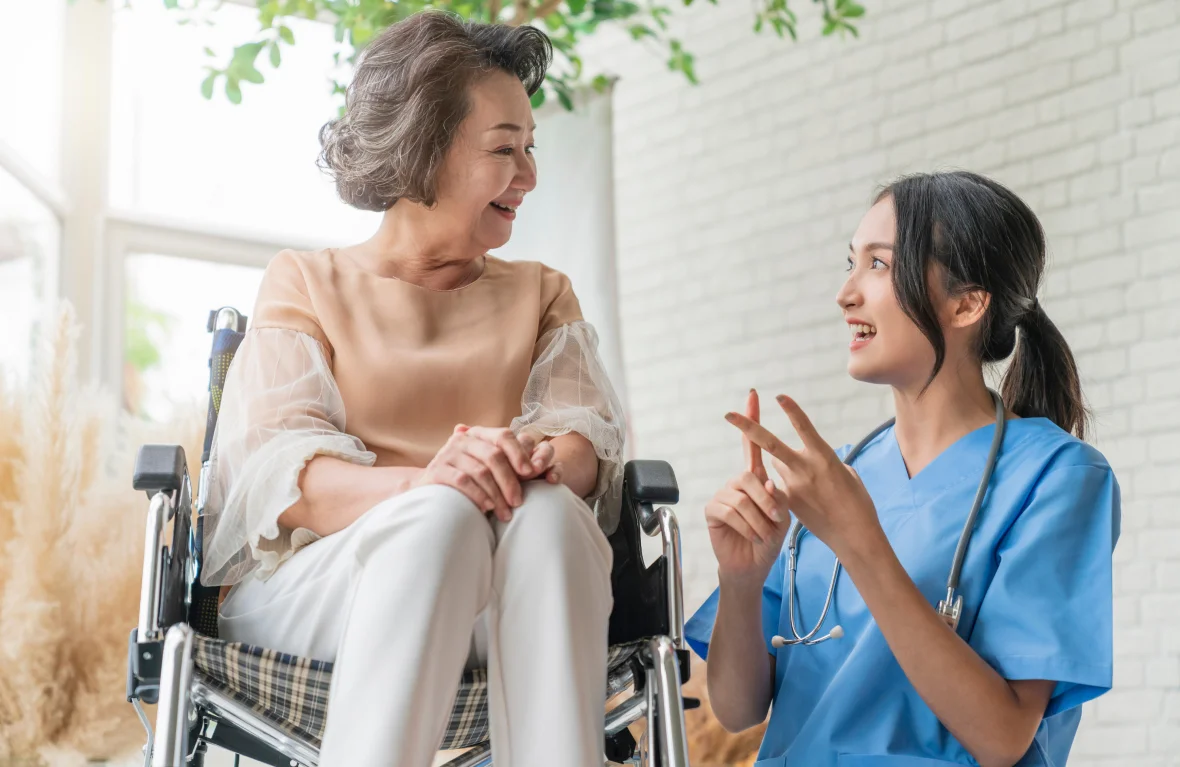
Physical therapy and occupational therapy often address different but connected parts of recovery. Physical therapy may focus more on mobility, strength, balance, and movement mechanics, while occupational therapy emphasizes the practical skills needed for daily participation.
For children, pediatric rehabilitation may bring these priorities together in a developmentally appropriate way. Communication among clinicians, patients, families, and referring providers helps keep goals consistent and allows the plan to change as function improves.
What Patients Can Do Between Rehabilitation Visits
Recovery continues outside scheduled appointments. Following the recommended home program, pacing activity, using safe movement strategies, and reporting changes in symptoms can help clinicians adjust treatment appropriately.
It is also helpful to track functional improvements rather than focusing only on pain. Being able to walk farther, sleep more comfortably, complete a household task, return to school, or need less assistance can all be meaningful signs of progress.
When to Seek Medical Guidance
New or worsening symptoms should not be ignored. Seek prompt medical care for severe or rapidly increasing pain, a new deformity, inability to bear weight, loss of consciousness, chest pain, difficulty breathing, sudden weakness, new numbness, loss of bladder or bowel control, or signs of infection.
For less urgent concerns, an evaluation may be appropriate when pain, weakness, balance problems, or difficulty with daily activities continue to limit function. Starting rehabilitation at the right time can help prevent avoidable stiffness, deconditioning, and compensatory movement.
From Recovery Goals to Greater Independence
Rehabilitation after injury is a gradual process of restoring what the injury disrupted. Pain relief matters, but so do strength, balance, coordination, endurance, daily skills, and the confidence to use them.
A personalized rehabilitation plan can help adults and children move through each stage with clear goals and appropriate support. To learn which service may fit your needs, explore the linked rehabilitation programs or contact the care team for guidance about an evaluation.
Book a Consultation
It’s easy and free!