
When Pain, Weakness, or Balance Problems Are More Than AgingIt is common to notice some physical changes with age. Recovery may take longer, joints may feel stiffer in the morning, and maintaining muscle can require more consistent activity. However, persistent pain, increasing weakness, or new balance problems should not automatically be accepted as “just getting …


When Pain, Weakness, or Balance Problems Are More Than Aging
It is common to notice some physical changes with age. Recovery may take longer, joints may feel stiffer in the morning, and maintaining muscle can require more consistent activity. However, persistent pain, increasing weakness, or new balance problems should not automatically be accepted as “just getting older.”
Pain, weakness, and balance problems can sometimes point to treatable issues involving the muscles, joints, nerves, feet, medications, or overall health. Recognizing changes early can help older adults protect their independence, reduce fall risk, and continue participating in daily life with greater confidence.
About the 2025 Unsung Heroes List
City & State New York’s inaugural Unsung Heroes list, researched and written in partnership with journalist Lon Cohen, recognizes New Yorkers who are highly effective but operate largely under the radar — from nonprofit leaders to civic organizers and public servants who get things done behind the scenes. Read the full list →
What Changes Can Be Part of Healthy Aging?
Aging affects the body gradually. Muscle mass and flexibility may decline over time, reaction speed can become slower, and joints may become less mobile. These changes can influence how easily a person climbs stairs, gets up from a chair, or walks for long periods.
Healthy aging does not mean being completely free of aches or limitations. The important question is whether a change is mild and gradual or whether it is persistent, worsening, sudden, or interfering with normal activities.
Signs That Deserve More Attention
A healthcare evaluation may be helpful when symptoms begin to affect safety, confidence, or independence. Warning signs can include:
- Pain that lasts for several weeks, regularly interrupts sleep, or limits walking and household tasks;
- New or increasing difficulty standing from a chair, climbing stairs, carrying groceries, or lifting the arms;
- Frequent stumbling, dizziness, unsteadiness, or fear of falling;
- A noticeable change in walking pattern, such as shuffling, limping, or taking shorter steps;
- Foot or ankle pain, numbness, swelling, wounds, or footwear that has become uncomfortable; and
- A sudden decline after an illness, hospitalization, injury, or period of inactivity.
Sudden weakness on one side, facial drooping, difficulty speaking, severe dizziness, chest pain, or an inability to walk safely requires urgent medical attention. These symptoms should not be treated as routine aging.
Why Pain Is Not Always an Inevitable Part of Aging
Pain may be related to arthritis, muscle strain, tendon irritation, nerve sensitivity, poor movement mechanics, or an old injury that has not fully recovered. The source of pain is not always where the discomfort is felt, which is why a proper assessment matters.
For example, hip weakness may place extra stress on the knee, while limited ankle movement can change the way a person walks. Treating only the painful area without considering the full movement pattern may miss an important contributing factor.
Weakness Can Develop for Many Reasons
Muscle loss can occur with age, but weakness may also develop after bed rest, surgery, illness, reduced activity, pain, or fear of movement. Sometimes a person becomes less active because movement hurts, then loses additional strength because daily activity has decreased.
This cycle can make ordinary tasks feel harder. A person may begin using their arms to push out of a chair, avoid stairs, or rely more heavily on furniture while walking at home. These adaptations are useful clues that strength and mobility should be assessed.
Balance Problems Often Have More Than One Cause
Good balance depends on several body systems working together. Vision, the inner ear, sensation in the feet, muscle strength, joint mobility, reaction time, and attention all contribute to stability.
Medication side effects, dehydration, blood pressure changes, neurological conditions, foot pain, and unsuitable footwear may also affect balance. Because several factors can overlap, identifying the cause is more useful than simply telling someone to “be more careful.”
How Physical Therapy Can Support Safer Movement
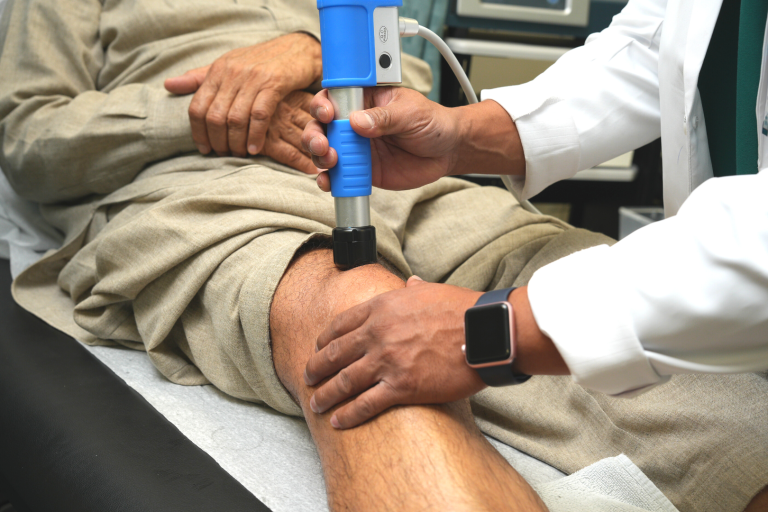
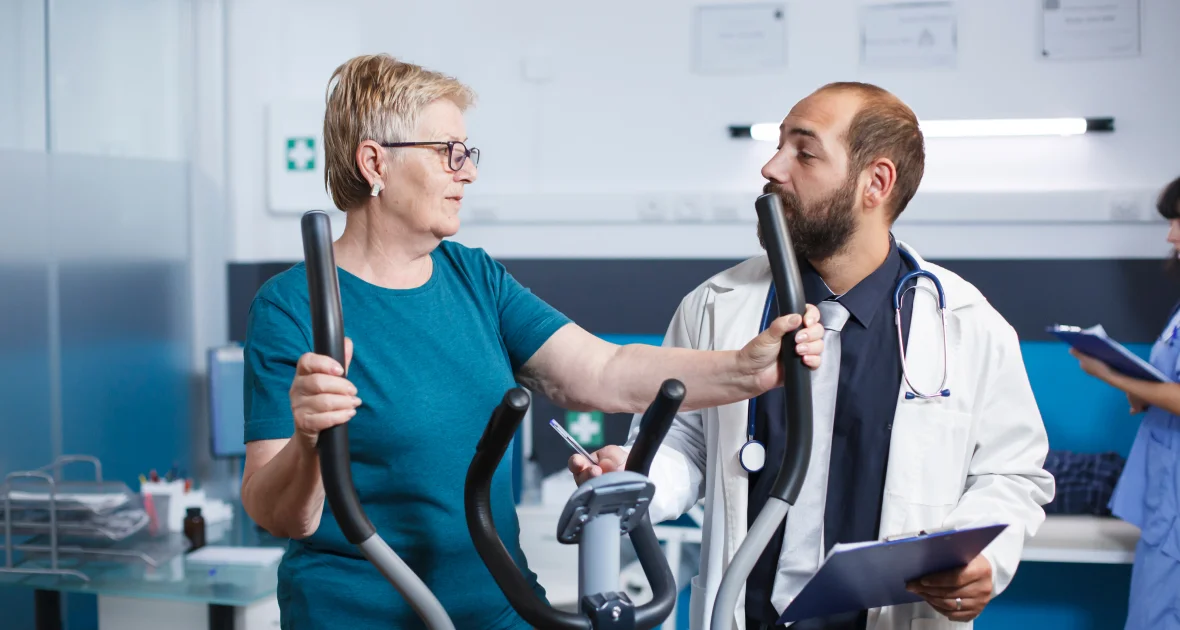
A physical therapy evaluation can examine strength, flexibility, walking, transfers, posture, and balance. The therapist may also look at which movements trigger pain and how symptoms affect everyday activities.
A personalized plan may include strengthening, balance exercises, mobility work, walking practice, pain-management strategies, and education for safer movement at home. Treatment is adjusted to the person’s current ability rather than based only on age or diagnosis.
Building Confidence Is Part of Recovery
After a fall, painful episode, or hospitalization, some people become afraid to move. That fear can lead to less activity, further weakness, and reduced confidence. Gradual, supervised practice can help a person relearn safe movement and understand what their body can do.
Why Foot Health Matters for Strength and Balance
The feet are the body’s contact point with the ground. Painful heels, unstable ankles, bunions, calluses, nail problems, reduced sensation, and poorly fitting shoes can change walking mechanics and increase hesitation with each step.
A podiatry assessment can help identify foot and ankle conditions that may contribute to pain, gait changes, or balance concerns. Care may include footwear guidance, treatment of skin or nail problems, activity recommendations, or coordination with physical therapy when movement retraining is also needed.
The Role of Adult Day Care in Healthy Aging
Physical health is influenced by routine, social connection, and opportunities to stay active. Older adults who spend long periods alone or have limited access to safe activities may gradually move less, even when they are capable of doing more.
A structured adult day care program can provide supervised activities, social engagement, exercise opportunities, and a consistent daily routine. This type of support does not replace medical evaluation, but it can complement a broader plan for maintaining function, confidence, and quality of life.
When Different Services Work Together
Pain, weakness, and balance concerns rarely fit into one simple category. An older adult with foot pain may begin limping, lose leg strength because walking becomes uncomfortable, and then become less steady. Another person may recover medically from an illness but still need structured activity and rehabilitation to return to their previous routine.
Coordinated care can address these connected needs. Physical therapy may focus on movement and strength, podiatry may address foot and ankle barriers, and adult day care may provide ongoing activity and social support. The right combination depends on the individual’s symptoms, goals, medical history, and home environment.
What Families Can Observe at Home
Family members often notice small changes before an older adult reports them. Watch for reduced walking speed, holding walls or furniture, avoiding outings, wearing the same shoes despite discomfort, difficulty managing steps, or needing more help with routine tasks.
A calm conversation is often more helpful than focusing on age. Ask what feels difficult, when the change began, and whether pain or fear is limiting activity. Writing down examples can help a healthcare professional understand how the problem affects daily life.
Do Not Dismiss a Change That Is Affecting Daily Life
Aging is a natural process, but losing mobility, living with ongoing pain, or feeling unsafe while walking should not be considered unavoidable. Many contributing factors can be identified, managed, or improved when they are addressed early.
When pain weakness and balance problems begin changing how a person moves or participates in daily activities, consider discussing the symptoms with a healthcare provider. A focused evaluation can clarify what may be happening and help identify practical next steps for safer, more confident movement.
Book a Consultation
It’s easy and free!