
Does arthritis feel worse in cold weather? Learn why joints stiffen as temperatures drop and how PT, OT, and acupuncture may help this season.


Arthritis and Cooler Weather: Keeping Stiff Joints Moving as Temperatures Drop
As fall settles in across Rockland County, many people notice their knees, hips, or hands feel stiffer in the morning. October is also the month of World Arthritis Day and Bone and Joint Action Week, a timely reminder that joint health needs attention all year, especially as the weather turns.
If arthritis in cold weather seems to flare more often, you are not imagining it. This guide explains why joints may feel worse when temperatures drop and how physical therapy, occupational therapy, and acupuncture can help you stay active through the colder months.
About the 2025 Unsung Heroes List
City & State New York’s inaugural Unsung Heroes list, researched and written in partnership with journalist Lon Cohen, recognizes New Yorkers who are highly effective but operate largely under the radar — from nonprofit leaders to civic organizers and public servants who get things done behind the scenes. Read the full list →
Why Arthritis May Feel Worse in Cold Weather
Many people with arthritis say they can feel weather changes in their joints. Research on the exact cause is mixed, and not everyone notices a difference, but several factors may play a role:
- Changes in air pressuremay affect how tissues around the joint expand and feel
- Cold muscles and tendonsbecome less flexible, which can make movement feel tighter
- Less activityis common when it is dark and chilly, and joints often stiffen without regular movement
- Holding tensionin the shoulders, hands, and back to stay warm can add to discomfort
The most useful takeaway is practical: the factors you can control, such as staying active, keeping warm, and pacing daily tasks, can make a real difference in how your joints feel.
Common Types of Arthritis Affected by the Season
Osteoarthritis is the most common type. It involves gradual changes in the cartilage and bone of a joint and often affects the knees, hips, hands, and spine. Stiffness usually eases within about 30 minutes of getting moving.
Inflammatory arthritis, such as rheumatoid arthritis, is driven by the immune system. It often causes longer morning stiffness, swelling, and warmth in several joints. It needs medical management from a physician, and rehabilitation can support that care.
Knowing which type you have helps shape the right plan, so an accurate diagnosis is an important first step.
Physical Therapy: Keeping Joints Strong and Mobile
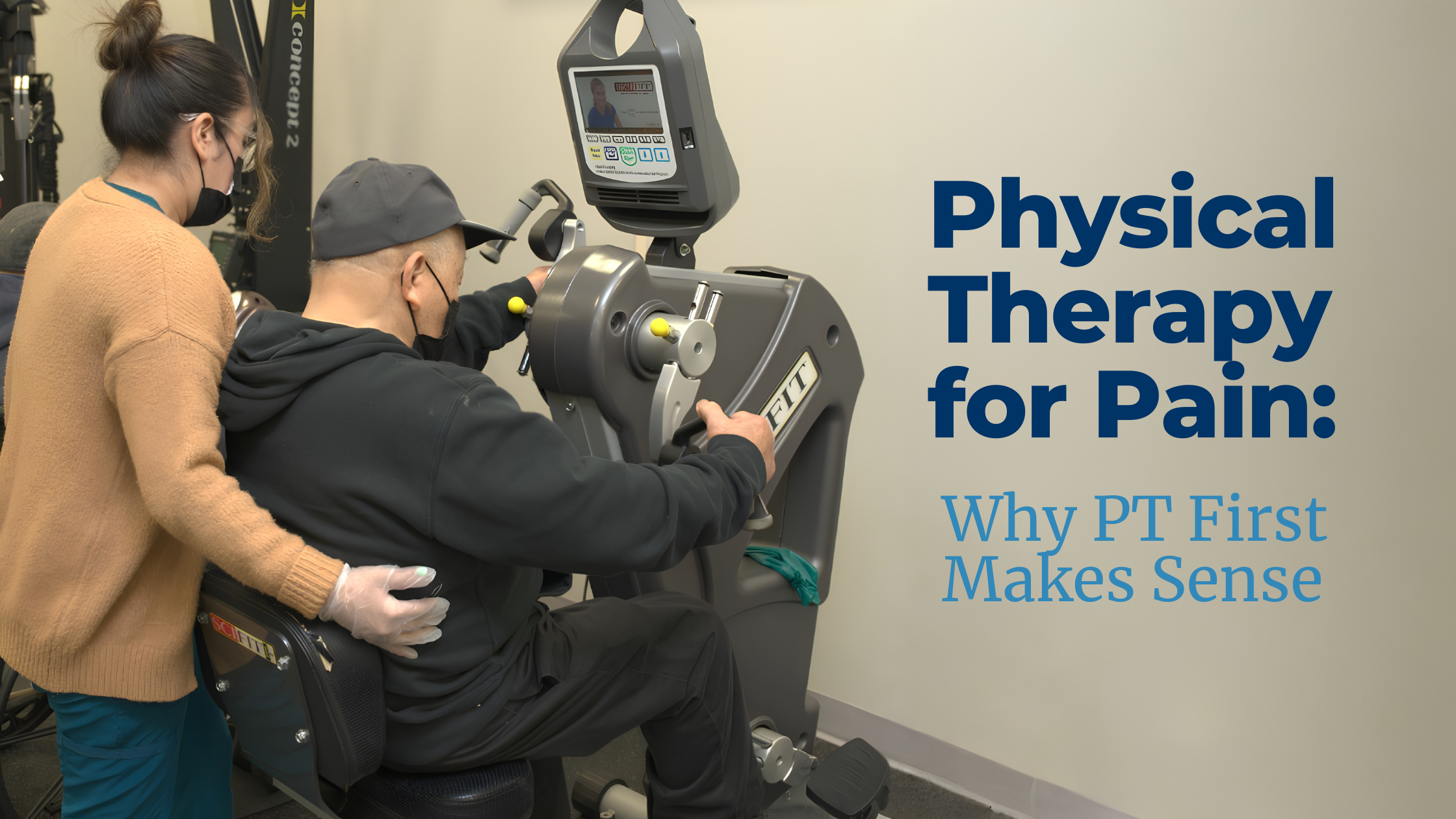
Exercise is one of the most strongly recommended treatments for osteoarthritis. It may seem counterintuitive when joints hurt, but the right kind of movement often reduces pain and stiffness over time. Physical therapy helps you find that right kind of movement.
A physical therapist may focus on:
- Range of motion exercises to ease stiffness
- Strengthening the muscles that support the knees, hips, and back
- Low-impact conditioning, such as stationary cycling or walking programs
- Balance training, which matters more when sidewalks turn icy
- Hands-on techniques and guidance on heat before activity
Your therapist can also adjust your program on days when a joint is flaring, so you can stay consistent without overdoing it. For joint-specific concerns, read more about back, knee, and shoulder pain.
Occupational Therapy: Protecting Joints in Daily Life
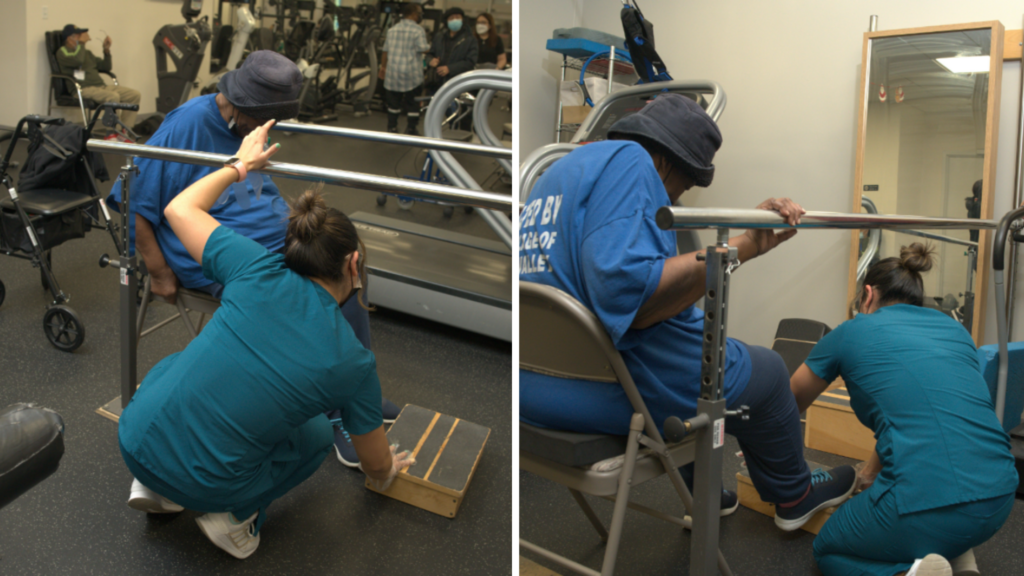
Arthritis in the hands and wrists can make everyday tasks harder, especially when cold fingers feel stiff and clumsy. Occupational therapy focuses on helping you do the activities that matter to you with less strain.
An occupational therapist may help with:
- Joint protection:using larger, stronger joints for tasks and avoiding tight, prolonged grips
- Adaptive tools:jar openers, built-up utensil handles, and easy-grip kitchen tools
- Hand exercises and splints:to support painful joints and maintain motion
- Energy conservation:spreading heavier chores through the day or week
Winter tasks: safer ways to carry groceries, put on boots, or manage zippers and buttons with stiff hands

Acupuncture as a Supportive Option
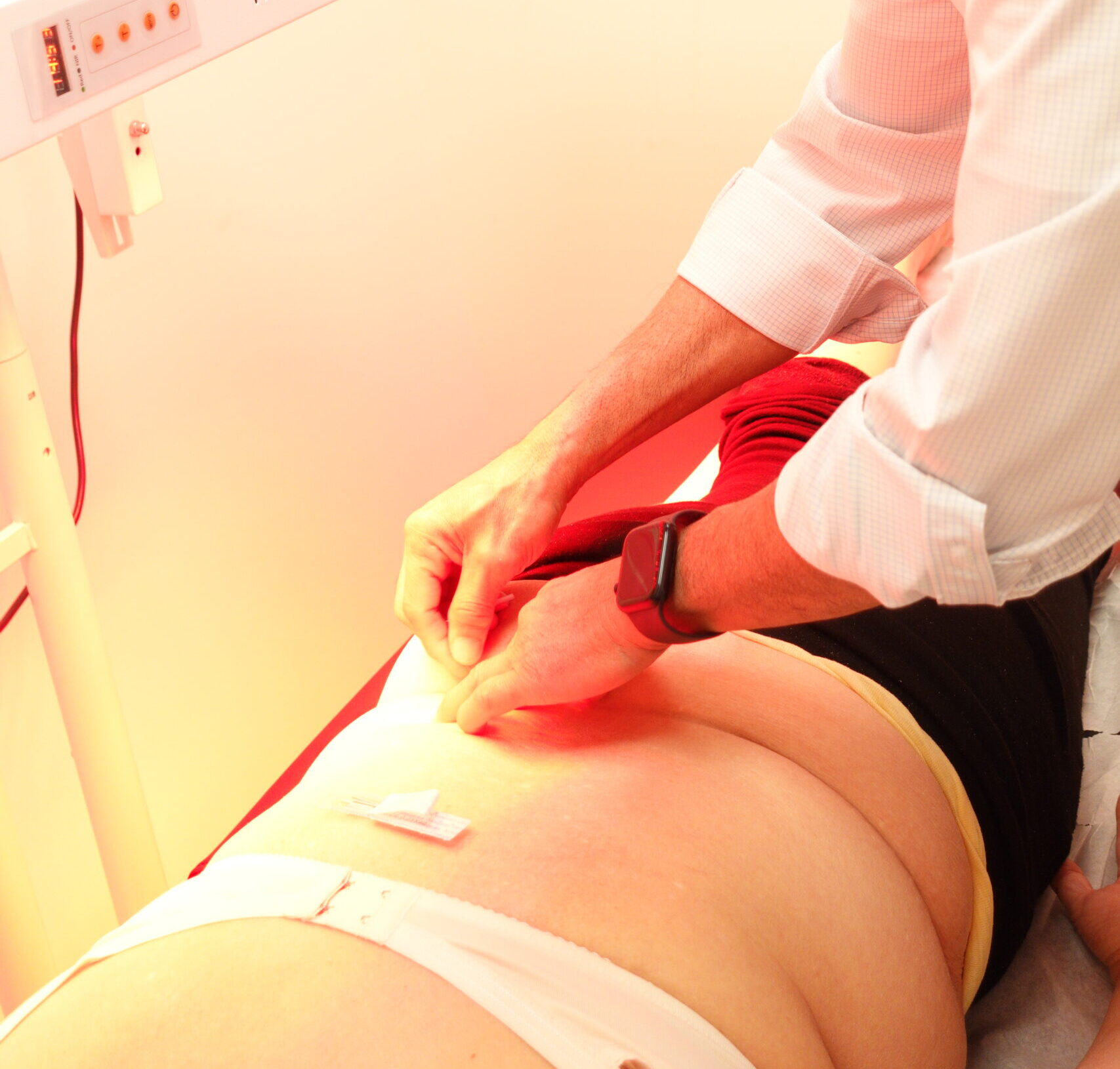
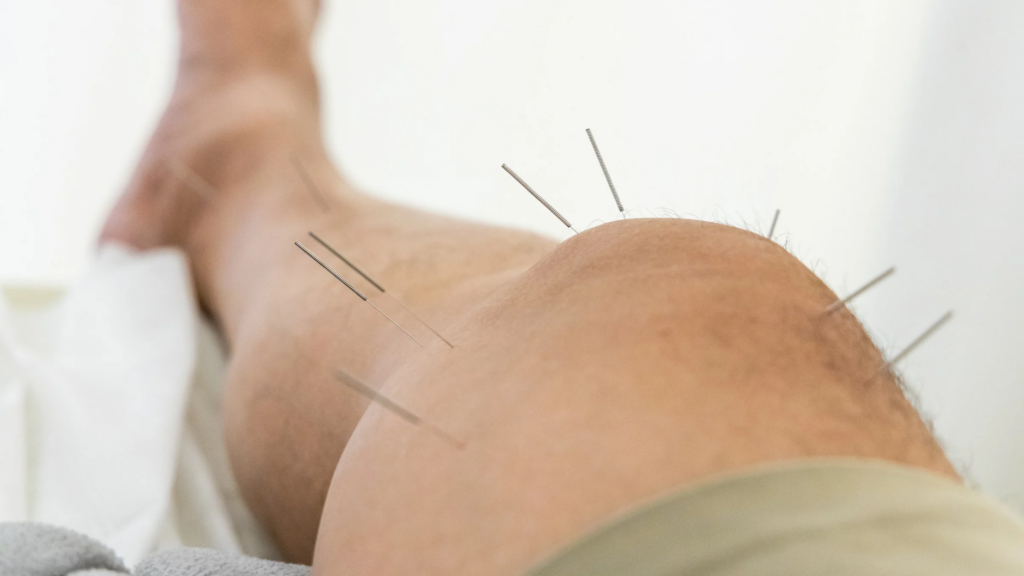
Acupuncture uses very thin needles placed at specific points on the body. Some clinical guidelines include it as an option for people with osteoarthritis of the knee, hip, or hand, although results vary from person to person.
For some patients, acupuncture may help ease pain or muscle tension enough to make exercise and daily activity more comfortable. At Active Rockland, acupuncture sessions include complimentary red light therapy. It works best as part of a broader plan rather than on its own. Learn more in our post on acupuncture and red light therapy for chronic pain.
Simple Tips for Managing Stiff Joints This Season
- Warm up first.A warm shower or heating pad for 10 to 15 minutes before activity can make movement easier.
- Dress in layers.Gloves, knee sleeves, and warm socks help keep joints comfortable outdoors.
- Keep moving indoors.Short walks around the house, gentle stretching, or a stationary bike count.
- Break up long sitting.Stand and move every 30 to 45 minutes.
- Watch your footing.Supportive, non-slip footwear lowers fall risk on wet leaves and ice. See our fall prevention tips.
When to See a Doctor
Seek medical attention for a joint that is suddenly hot, red, and very swollen, especially with fever; morning stiffness lasting more than an hour; new swelling in several joints; or pain after a fall or injury. These may need further evaluation before or alongside rehabilitation.
Common Questions About Arthritis in Cold Weather
Can cold weather actually make arthritis worse?
Many people report more stiffness and pain in colder months. Research is mixed on why, but cooler temperatures and lower activity levels likely contribute. Staying active and warm often helps.
Is it better to rest or exercise during a flare?
Brief rest can help during a significant flare, but long periods of inactivity usually increase stiffness. A therapist can show you gentler ways to keep moving until symptoms settle.
Should I use heat or ice for arthritis?
Heat often helps with stiffness before activity, while ice may help after activity if a joint is swollen or sore. Ask your therapist which suits your joints.
Do I need a referral for physical therapy?
Not always. New York allows direct access to physical therapy for a limited period, though insurance rules vary. Read more about starting with physical therapy.
Conclusion
Cooler weather does not have to mean months of stiff, painful joints. Regular movement, smart daily habits, and the right support can help you stay comfortable and active as temperatures drop.
If arthritis is making daily tasks harder this season, the team at Active Rockland in West Nyack and Haverstraw offers physical therapy, occupational therapy, and acupuncture to help you keep moving. Call 845-354-7779 or book an appointment to schedule an evaluation.
Book a Consultation
It’s easy and free!