

Breast cancer rehabilitation can help with lymphedema, shoulder stiffness, and fatigue after surgery through lymphatic drainage, PT, and OT.

Rehabilitation After Breast Cancer Surgery: Lymphedema, Shoulder Mobility, and Fatigue
October is Breast Cancer Awareness Month. Much of the focus is on screening and treatment. Less is said about what can come afterward: an arm that feels heavy, a shoulder that will not reach the top shelf, or a tiredness that sleep does not fix. Breast cancer rehabilitation focuses on these effects, helping people restore movement, manage swelling, and return to daily life during and after treatment.
This guide explains three common concerns after breast cancer surgery and how lymphatic drainage, physical therapy, and occupational therapy may help.

About the 2025 Unsung Heroes List
City & State New York’s inaugural Unsung Heroes list, researched and written in partnership with journalist Lon Cohen, recognizes New Yorkers who are highly effective but operate largely under the radar — from nonprofit leaders to civic organizers and public servants who get things done behind the scenes. Read the full list →
Why Breast Cancer Rehabilitation Is Different
Recovery from breast cancer surgery often overlaps with other treatment. Many people go on to radiation, chemotherapy, hormone therapy, or reconstruction, and each can affect tissue, energy, and movement in different ways, sometimes months or even years later.
Surgery that removes or samples lymph nodes from the armpit can also change how fluid drains from the arm and chest. That is why oncology rehab looks beyond the incision. It considers the whole treatment timeline and works alongside your oncology team. For recovery after other types of procedures, see our post-surgery rehabilitation guide.
Understanding Lymphedema After Breast Cancer Surgery
The lymphatic system moves fluid through the body and supports immune function. When lymph nodes are removed or treated with radiation, fluid may not drain as well. It can build up in the arm, hand, breast, chest wall, or upper back. This swelling is called lymphedema.
Lymphedema can appear soon after surgery or develop months or years later. Risk tends to be higher when more lymph nodes are removed or when radiation includes the lymph node area. Not everyone develops it, and noticing changes early can make it easier to manage. Early signs include:
- A feeling of heaviness, fullness, or tightness in the arm or chest
- Rings, watches, bras, or sleeves feeling tighter than usual
- Visible swelling in the hand, arm, breast, or chest wall
- Reduced flexibility in the hand, wrist, or elbow
- Skin that feels thicker or firmer than before

How Lymphatic Drainage Supports Lymphedema Care
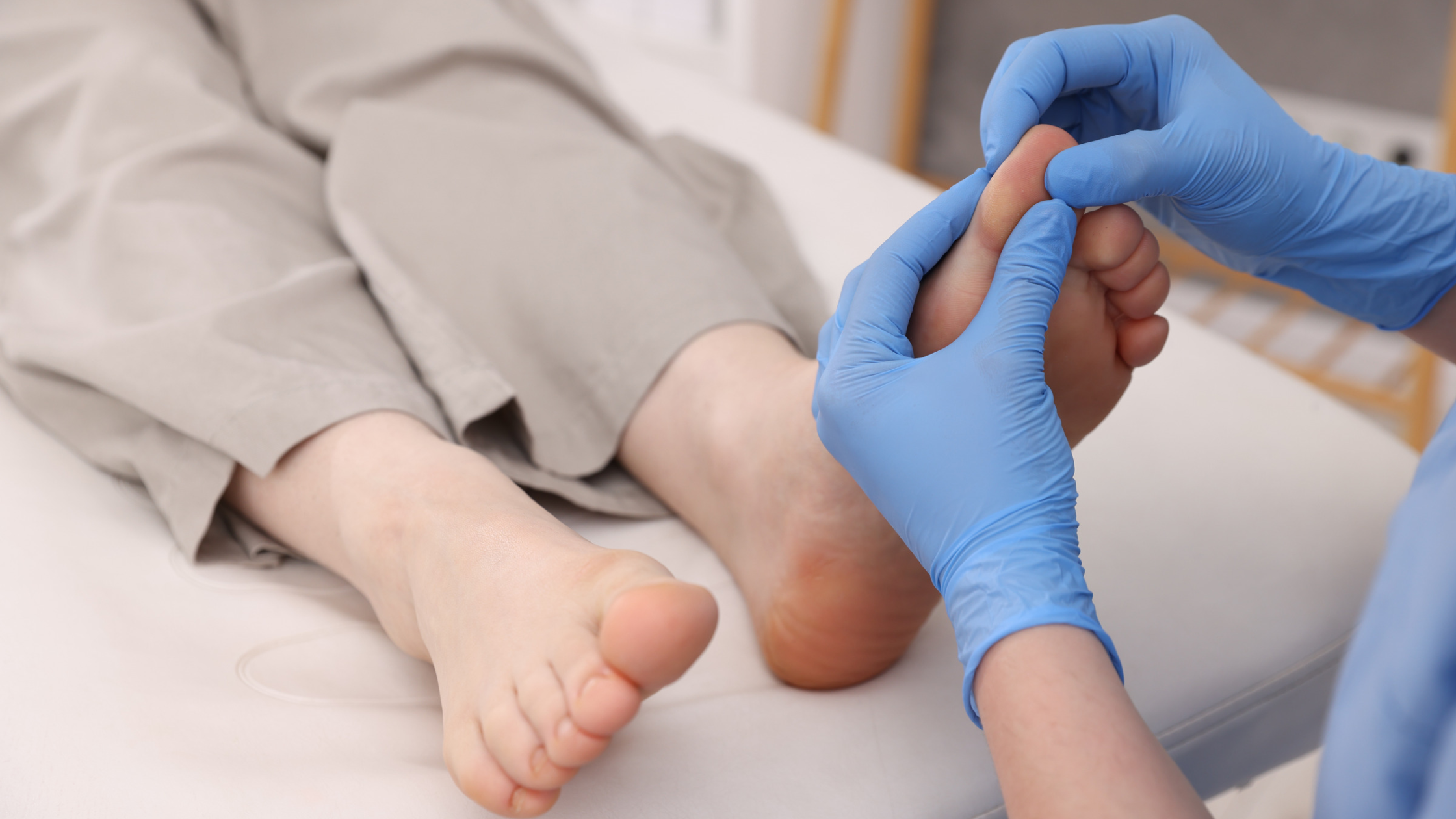
Manual lymphatic drainage is a gentle, hands-on technique. It uses light, rhythmic skin movements to encourage fluid toward lymph pathways that are still working well. It feels very different from a deep tissue massage.
For lymphedema, lymphatic drainage is usually one part of a broader approach often called complete decongestive therapy. This may also include compression garments or bandaging, skin care, and specific exercises. Lymphatic drainage is not appropriate in every situation, such as with an active infection, a blood clot, or certain heart conditions, so an evaluation always comes first. Learn more about lymphatic drainage at Active Rockland.
Restoring Shoulder Mobility With Physical Therapy
Shoulder stiffness is one of the most common concerns after breast cancer surgery. Pain, protective posture, scar tissue, and radiation can all limit how far the arm lifts or reaches. Some people also develop axillary web syndrome, often called cording, which can feel like a tight band running from the armpit down the inner arm.
Physical therapy after breast cancer surgery may include:
- Gentle range of motion exercises, progressed over time
- Scar and soft tissue mobility once incisions have healed
- Posture work for the chest, upper back, and shoulder blade
- Gradual strengthening of the shoulder and arm
Timing matters. Early, gentle movement is commonly encouraged, but restrictions differ after lumpectomy, mastectomy, lymph node surgery, or reconstruction. Your therapist should follow your surgeon’s guidance, especially while drains are in place or after reconstruction.
Many people worry that exercise will trigger or worsen lymphedema. Research has found that slowly progressed, supervised strength training is generally safe for many people at risk of or living with lymphedema, and it may help build strength and confidence.
Managing Cancer-Related Fatigue With Occupational Therapy
Cancer-related fatigue is different from ordinary tiredness. It can last for months after treatment, and rest alone does not always relieve it.
Occupational therapy focuses on the daily activities that matter to you. An occupational therapist may help with:
- Energy conservation:planning, prioritizing, and pacing tasks across the day
- Task changes:easier ways to dress, bathe, cook, or reach overhead while healing
- Routines:balancing activity and rest so energy lasts through the week
- Thinking changes:strategies for the concentration or memory changes some people notice during treatment
- Returning to roles:planning a gradual return to work, hobbies, or caregiving
Regular physical activity also has good evidence for easing cancer-related fatigue. PT and OT can work together so activity builds gradually without leaving you drained.
How These Services Work Together
Breast cancer rehabilitation is rarely one-size-fits-all. Depending on what you are experiencing, a plan may combine lymphatic drainage for swelling, physical therapy for shoulder movement and strength, and occupational therapy for fatigue and daily tasks. Not everyone needs all three. A personalized plan is built around your symptoms, treatment stage, and goals, and adjusted as things change.
When to Contact Your Doctor Right Away
Seek prompt medical attention for:
- Redness, warmth, or a rash on the arm or chest, especially with fever, which may signal infection
- Sudden or rapidly increasing swelling
- Pain, swelling, or warmth in an arm or leg that could suggest a blood clot
- Shortness of breath or chest pain
- A new lump, or pain that is unexplained and getting worse
Common Questions About Breast Cancer Rehabilitation
When can I start rehab after breast cancer surgery?
Gentle shoulder movement often begins within days to weeks, depending on your surgery and your surgeon’s instructions. Some people benefit from an evaluation before surgery so there is a baseline for arm measurements and shoulder motion.
Is it safe to exercise if I have lymphedema?
For many people, yes, when exercise is started gradually and guided by a therapist. Your therapist may also advise whether to wear a compression garment during activity.
Can lymphedema be cured?
Lymphedema is usually a long-term condition, but it can often be managed well, especially when it is found early.
Do I need a referral?
Many patients start with a referral from their oncologist or surgeon, which also helps coordinate care. Call the clinic to ask about referrals and how your insurance handles these services.
Conclusion
Breast cancer rehabilitation is about more than healing an incision. It addresses the swelling, stiffness, and fatigue that can linger after treatment and get in the way of everyday life.
If lymphedema, shoulder stiffness, or fatigue is making daily life harder, talk with your oncology team and consider a rehabilitation evaluation. The team at Active Rockland in West Nyack and Haverstraw offers lymphatic drainage, physical therapy, and occupational therapy. Call 845-354-7779 or book an appointment to learn more.
Book a Consultation
It’s easy and free!